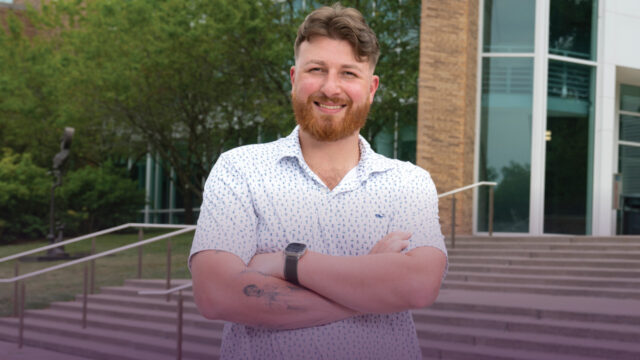
Chris Arima, miembro de Excelsior ALC, redefine el concepto de inspiración

Chris Arima ha forjado una carrera que, sobre el papel, parece una lista de logros. Es un abogado especializado en litigios civiles complejos en California, exfiscal, veterano militar que prestó servicio como lingüista de árabe y miembro del Consejo de Liderazgo de Antiguos Alumnos de la Universidad Excelsior.
Pero él no se considera un ejemplo a seguir.
«No soy yo quien inspira a la gente», afirma con sencillez. «De hecho, creo que es al revés. A mí me inspira cada día conocer a estas personas, a estos niños, a estos estudiantes, a estas madres, padres, hijas, tíos, tías, personas que están pasando por tantas cosas en sus vidas».
Esa mentalidad ha acompañado a Arima a lo largo de toda su carrera jurídica. Su trayectoria no ha girado en torno al reconocimiento, sino a seguir avanzando, paso a paso.
El deseo de ser mejor
Arima creció en zonas rurales de Arkansas y Texas. Cuando tenía 11 años, su padre falleció en un accidente de tráfico, un choque en el que Arima también resultó gravemente herido.
Ya en los primeros años de la adolescencia, trabajaba para ayudar a mantener a su familia.
«Asistía a terapia del habla mientras trabajaba para ganar dinero», recuerda, y explica que, a los 13 años, ya trabajaba como lavaplatos y camarero, tratando de ayudar a su familia a evitar la ejecución hipotecaria durante la crisis financiera de 2008.
Los estudios no le resultaban fáciles, pero se mantuvo centrado. «Conducía una hora y media de ida y otra de vuelta para ir al instituto», cuenta Arima. «Y siempre quise llegar más lejos. Quería formarme. Quería poner a prueba mi mente».
Pero cuando probó por primera vez la universidad, las cosas no salieron según lo previsto. «Fracasé cuando fui a la universidad. Fue muy duro, y creo que estaba casi, por así decirlo, agotado».
Al cabo de aproximadamente un año, Arima se alistó en el ejército en 2013. Lo que comenzó como un alistamiento general en la Armada se convirtió rápidamente en algo más especializado cuando demostró tener talento para los idiomas. Se formó como lingüista de árabe y fue destinado a Irak y Siria para prestar apoyo en operaciones de inteligencia.
Durante su despliegue, también volvió a estudiar.
Arima se matriculó en la Universidad Excelsior y cursó la licenciatura en Ciencias Humanas mientras realizaba turnos largos y exigentes. Recuerda haber estudiado mientras participaba en operaciones activas contra el ISIS: «Estábamos llevando a cabo operaciones de limpieza en Mosul, y luego bajaba al sótano para estudiar mis libros de Excelsior y entregar trabajos a medianoche. Después, dormía en la cabina de la ducha durante dos o tres horas y volvía a las operaciones. Y así es como terminé mi carrera [en 2018]».
Un sitio en la mesa
Tras dejar el ejército, Arima se matriculó en la Facultad de Derecho de la Universidad de Siracusa. Su decisión estuvo motivada por lo que había presenciado durante su servicio.
ustedsalas en las que se tomaban decisiones. Y en todas ellas había un doctor en Derecho; en todas esas salas había un abogado», afirma. «Y yo quería estar en esa sala. Quería formar parte de ese proceso de toma de decisiones».
Arima trabajó como abogado en la ciudad de Nueva York nada más terminar la carrera de Derecho, pero cuando su esposa quedó embarazada, decidieron que era demasiado difícil quedarse en la ciudad para criar a un hijo y seguir adelante con sus aspiraciones profesionales. Decidieron cruzar el país. En la actualidad, Arima es abogado especializado en litigios civiles en el Área de la Bahía, donde su esposa también ejerce como abogada. Se ocupa de casos relacionados con la discriminación laboral, los daños personales y la negligencia médica, y su trabajo se centra en la defensa de personas que han sufrido daños.
«Al fin y al cabo, usted de resolver problemas, y creo que es una posición muy privilegiada, y me alegro de estar en ella», afirma.
Arima también trabajó durante un tiempo como defensor público en la Oficina del Defensor Público de Nuevo México, donde pudo comprobar de primera mano lo complejo y personal que puede llegar a ser el sistema judicial. «El derecho es, en esencia, un experimento humano. Es intrínsecamente humano. Es un estudio y un intento de organización humana, de cómo organizamos nuestra sociedad y nuestras relaciones interpersonales», explica.
Aprender a escuchar
Una de las habilidades que ha resultado de gran utilidad para Arima a lo largo de su carrera jurídica es la capacidad de escuchar. Según él, se trata de un aspecto fundamental de la comunicación eficaz y, por lo tanto, de la labor de un abogado eficaz.
usted saber escuchar bien cuando ustedfiscal o defensor público», afirma. «Si usted escucha, entonces ustedpodrá sentir lo que siente esa persona y comprender de verdad de qué está hablando».
Ese enfoque ha marcado su labor tanto dentro como fuera de la sala del tribunal. Arima ha impartido cursos sobre justicia penal y derecho constitucional y, durante los últimos tres años, ha sido preparador de juicios simulados para el equipo de debate del instituto Los Lunas High School, en Los Lunas (Nuevo México), donde les ha enseñado técnicas de defensa, normas probatorias, tácticas judiciales y argumentación oral, pero también el valor de saber escuchar y de la empatía.
«Escuchar es el camino hacia la empatía», explica. «Y todos los mejores abogados también poseen esa capacidad de empatía. Creo que lo que usted hace usted en lo que sea usted es, sencillamente, ser capaz de mostrar empatía».
Contribuir a la comunidad
Arima ha mantenido el contacto con Excelsior tras obtener su título. En 2023, se incorporó al Consejo de Liderazgo de Antiguos Alumnos y ejerce de enlace con el Comité de Legado y Participación, donde se comunica habitualmente con antiguos alumnos de Excelsior de todos los orígenes y aboga por sus intereses. «He tenido acceso a recursos y oportunidades que, de no ser por mi formación superior, nunca habría tenido».
A través de su participación en el Consejo de Liderazgo de Antiguos Alumnos, ha conocido a graduados de Excelsior con historias similares a la suya: personas que compaginan el trabajo, la familia y los estudios mientras intentan labrarse un futuro mejor. «Creo que hay un rasgo común de tenacidad [entre los antiguos alumnos de Excelsior] que, en mi opinión, es algo genuinamente estadounidense en el buen sentido: hay personas nacidas en circunstancias diversas que se enfrentan a obstáculos y retos, y que a menudo fracasan», afirma. «Pero son historias realmente interesantes de personas que se enfrentaron al fracaso, lo aceptaron y luego se preguntaron: “Bien, ¿cuál es el siguiente paso? ¿Cómo sigo adelante?”».
Arima añade: «Lo que más me gusta es conocer a tantas personas interesantes. A menudo me doy cuenta de que quieren volver; quieren seguir formándose. Me siento muy privilegiada por formar parte de ese proceso».
Redefiniendo la inspiración
A pesar de todo lo que ha logrado, Arima sigue negándose a que se le califique de «fuente de inspiración».
«Creo que a veces utilizamos la palabra "inspirador" y, con frecuencia, lo que realmente queremos decir es que una parte de su historia vive en mí», explica.
Se refiere a momentos como el de ayudar a una alumna a encontrar su voz en la escritura, no diciéndole qué decir, sino creando un espacio para que ella misma la descubriera. Para Arima fue un momento de orgullo poder ayudar a una alumna a alcanzar el éxito, pero es un logro del que no quiere atribuirse el mérito. «Creo que simplemente se trató de darle la oportunidad y el espacio para escucharla y dejar que ella misma descubriera [su voz]», afirma.
La historia de Arima no es una historia de éxito fácil ni de un camino sin obstáculos. Es una historia de contratiempos, perseverancia y progreso constante. Y aunque él quizá no lo admita, su trayectoria demuestra hasta dónde pueden usted la determinación —y la educación—.