
Áreas clave de conocimiento para una carrera profesional satisfactoria en tecnología de ingeniería mecánica
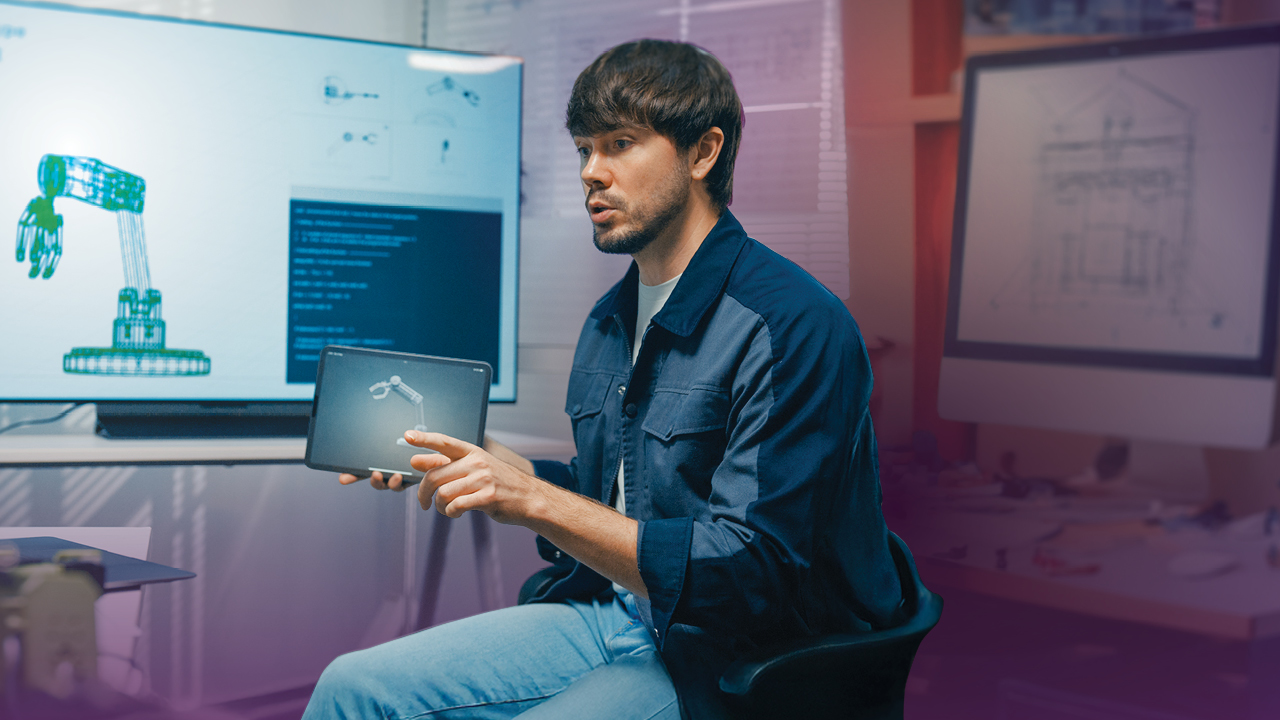
Para desarrollar una carrera profesional satisfactoria en el ámbito de la tecnología de ingeniería mecánica, es necesario que usted una base sólida en disciplinas técnicas, prácticas y de conocimientos generales. La tecnología de ingeniería mecánica, o MET por sus siglas en inglés, requiere que usted conocimientos teóricos, así como habilidades prácticas, en lo que respecta al diseño, análisis y mantenimiento eficaz de sistemas mecánicos. El dominio de la mecánica, la termodinámica, la ciencia de los materiales, el diseño asistido por ordenador y los procesos de fabricación usted servirá de apoyo usted usted para trabajar en entornos de ingeniería del mundo real. Una carrera en MET es un camino desafiante que usted mantendrá usted , ya que evoluciona rápidamente a nivel mundial.
¿Qué es el diseño asistido por ordenador?
El dominio del diseño asistido por ordenador (CAD) es fundamental en el ámbito de la tecnología de ingeniería mecánica. Una vez usted lo usted , ustedcrear modelos bidimensionales y tridimensionales de sistemas mecánicos y sus componentes. El software CAD permite visualizar, simular, probar y modificar piezas y procesos antes usted tiempo, dinero y materiales en su fabricación física.
El CAD abarca una amplia variedad de aplicaciones, entre las que se incluyen:
- SolidWorks para el modelado 3D y la simulación de ensamblajes, así como para comprobar funciones, tolerancias, la viabilidad de la fabricación y mucho más
- AutoCAD para el dibujo técnico, la elaboración de esquemas y la creación de planos de ingeniería detallados
- PTC Creo para el modelado paramétrico y directo de conjuntos de piezas complejas y para la simulación previa a la producción
- Siemens NX para el diseño de productos, las pruebas de simulación y la integración de la fabricación
- CATIA para la ingeniería mecánica en los sectores aeroespacial y de la automoción
- Autodesk Fusion, una solución basada en la nube, para facilitar la colaboración y la creación rápida de prototipos
- Autodesk Inventor para el diseño, el modelado y la simulación

¿Qué más usted aprender?
Para crecer y prosperar en una carrera de tecnología en ingeniería mecánica usted conocimientos de CAD. usted aprender los principios fundamentales de diversas áreas de la ciencia aplicada y ustedsu aplicación práctica en soluciones del mundo real. A usted para convertirse en técnico en ingeniería mecánica, usted diversos campos, tales como:
Termodinámica
Esta rama de la física estudia cómo se transfiere la energía en los sistemas mecánicos para realizar trabajo. ustedconocer a fondo el funcionamiento de los motores térmicos, los ciclos de refrigeración y el uso seguro y eficiente de la energía. Entre sus aplicaciones en la vida real se incluyen los sistemas de climatización, la generación de energía y diversos tipos de motores. usted estar capacitado para diseñar teniendo en cuenta la funcionalidad, la fiabilidad, la eficiencia y la sostenibilidad.
Ciencia de los materiales
Esta área abarca el estudio de las características, el comportamiento y los usos de los metales, los polímeros, las cerámicas y los materiales compuestos. ustedcómo la tensión, la temperatura y la fatiga afectan a los materiales en aplicaciones de ingeniería. En la práctica, estos conocimientos influyen en la elección de los materiales, en la predicción de los modos de fallo y en la durabilidad durante el uso. Los materiales son la base de la fabricabilidad, el rendimiento de los productos y la seguridad.
Mecánica de fluidos
Los líquidos y los gases se comportan de manera diferente cuando están en movimiento y en reposo. Esta área de estudio abarca conceptos como el flujo, la presión, la viscosidad, la turbulencia, la cavitación y la forma en que los fluidos interactúan con las estructuras en bombas, tuberías, sistemas de climatización y sistemas hidráulicos. ustedcómo la ciencia de la mecánica de fluidos influye en el rendimiento o puede provocar fallos en los sistemas. El objetivo es diseñar y fabricar productos que sean duraderos y eficientes desde el punto de vista energético.
Teoría eléctrica
usted dominar las teorías que subyacen a los circuitos eléctricos, la distribución de la energía y los sistemas de control en aplicaciones mecánicas que utilizan electricidad. usteda aplicar los conceptos de tensión, corriente y resistencia, así como los principios del electromagnetismo, al diseño, las pruebas y el perfeccionamiento de motores y sistemas de automatización, por citar algunos ejemplos. La teoría eléctrica es fundamental para la creación de maquinaria moderna y de tecnologías inteligentes y conectadas.
Procesos de fabricación
La transformación de materias primas en productos eficientes y funcionales es la esencia misma de la fabricación. En las aplicaciones industriales, el mecanizado, la fundición, la impresión 3D, la soldadura y las técnicas de control de calidad forman parte del proceso. usteda optimizar el diseño de productos y procesos para facilitar su fabricación, de forma eficiente en cuanto a recursos y rentable, con el objetivo de lograr cero defectos o reelaboraciones. ustedconocimientos técnicos y prácticos en la creación de procesos para productos que cumplan sistemáticamente las especificaciones de forma económica.
Comience su carrera en Tecnología de Ingeniería Mecánica con Excelsior
La tecnología de ingeniería mecánica es un campo muy amplio que ofrece innumerables y apasionantes salidas profesionales. El programa de Licenciatura en Tecnología de Ingeniería Mecánica de la Universidad de Excelsior usted conocimientos tanto esenciales como prácticos usted mecánica, CAD, termodinámica, ciencias de los fluidos y de los materiales, y procesos de fabricación. Partiendo de una base de principios básicos, el programa usted prepara usted funciones en el mundo real en los sectores aeroespacial, energético, de la robótica, la biomecánica, la fabricación y muchos más. Además, usted personalizar su formación con una de las tres especializaciones más demandadas: Ingeniería Nuclear, Energías Renovables o Robótica.
El programa es 100 % en línea y los cursos comienzan cada ocho semanas, lo que lo hace ideal si usted ustedun profesional en activo o si usted compaginar sus estudios con otras obligaciones. Excelsior usted apoya usted programas que usted ayudan a usted el usted camino para completar con éxito el programa, y nuestros recursos de preparación para la carrera profesional pueden usted las salidas profesionales de MET, desarrollar habilidades profesionales y ponerse en contacto con empresas a través de recursos, eventos y orientación práctica.
La Universidad Excelsior está aquí para usted los conocimientos y las habilidades necesarios para iniciar o impulsar su carrera en el ámbito de la tecnología de ingeniería mecánica. Póngase en contacto con nuestro equipo de admisiones hoy mismo para dar el primer paso hacia el futuro usted .