
Tras jubilarse de su carrera como abogado, Larry Arnold, de Morgantown (Virginia Occidental), trabaja como voluntario como jardinero de verano en la finca Sites Homestead, situada en el Bosque Nacional de Monongahela. Además de obtener su licenciatura en sociología en el Excelsior College (entonces Regents College), Arnold también obtuvo un título de Doctor en Derecho (JD) en la Facultad de Derecho de Detroit y un título de posgrado en Derecho en la Facultad de Derecho de la Universidad de Denver.
Jamie Thompson, licenciado en 94
Jamie Thompson, licenciado en 1994, de Sparks (Nevada), ha disfrutado de una larga y distinguida carrera en el Servicio Forestal de EE. UU. y en la Oficina de Gestión de Tierras de Nevada, donde redactó y editó el galardonado plan de gestión del Área Nacional de Conservación del Desierto de Black Rock, High Rock Canyon y Emigrant Trails. Thompson obtuvo su título de Doctor en Derecho en la Facultad de Derecho de la Universidad de Dakota del Sur en el año 2000 y atribuye su éxito a la licenciatura que obtuvo en Excelsior (entonces Regents College): «Graduarme en el Regents College me permitió superar un techo de promoción con el que me había topado en mi carrera federal en el Servicio Forestal de los Estados Unidos, en las Black Hills de Dakota del Sur. El título del Regents College también me permitió acceder a la facultad de Derecho, lo que me abrió posibilidades casi ilimitadas tanto en mi carrera profesional como de cara a la jubilación. Estaré eternamente agradecido al Regents College». Thompson es además autor publicado y espera publicar una nueva novela de ciencia ficción este año.
El Excelsior College se asocia con la fundación Women In Military Service For America Memorial
 Albany, Nueva York — El Excelsior College se enorgullece de anunciar un asociación junto con la Fundación del Monumento Conmemorativo a las Mujeres en el Servicio Militar de Estados Unidos, que gestiona el Monumento a las Mujeres Militares en Arlington, Virginia. El Memorial de las Mujeres Militares es el principal centro conmemorativo y educativo dedicado a honrar las contribuciones de las mujeres al servicio de nuestra nación, desde la Revolución Americana. Rinde homenaje a los casi tres millones de mujeres que han prestado o prestan servicio en las Fuerzas Armadas de los Estados Unidos o en colaboración con ellas, a través de la oportunidad única de registrar su servicio y compartir sus historias.
Excelsior concede créditos por la experiencia militar y acepta créditos de los exámenes CLEP, Dantes y otros exámenes homologados para ayudar a los estudiantes que son miembros de las Fuerzas Armadas y veteranos a acercarse a la obtención de su título. A lo largo de sus 50 años de historia, Excelsior ha graduado a más de 72 000 miembros de las Fuerzas Armadas, veteranos y sus familiares.
«La Fundación del Monumento Conmemorativo a las Mujeres en el Servicio Militar de Estados Unidos se complace enormemente en asociarse con el Excelsior College», afirmó Phyllis Wilson, presidenta de la fundación. «La ventaja de contar con una reducción en el coste de la matrícula y otras tasas, así como una generosa opción de transferencia de créditos universitarios, supone una oportunidad extraordinaria. Me complace enormemente que la colaboración entre el Monumento Conmemorativo a las Mujeres Militares y el Excelsior College pueda ayudar a nuestros valiosos miembros, al personal y a sus familiares a alcanzar sus objetivos educativos. ¡M usted, Excelsior College!»
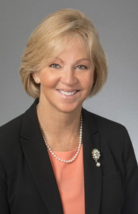 Wilson, quien se retiró del Ejército de los Estados Unidos con el rango de suboficial mayor de 5.º grado, ha obtenido dos títulos universitarios en el Excelsior College y está a punto de obtener un máster en Administración Pública por dicha institución en 2021.
Gracias a esta colaboración, los empleados y socios del Military Women’s Memorial, así como sus cónyuges o parejas de hecho, tienen derecho a las ventajas que ofrece esta colaboración con el Excelsior College, entre las que se incluyen descuentos de hasta el 20 % en el precio de la matrícula.
El Dr. David Schejbal, presidente de Excelsior College, afirmó: «Estamos encantados de colaborar con la Fundación Conmemorativa de las Mujeres en el Servicio Militar de Estados Unidos. Los cursos en línea de Excelsior y la tarifa especial de matrícula para socios facilitan el acceso a las veteranas y a las miembros de dicha Fundación. Además, las alumnas pueden ahorrar tiempo a la hora de obtener su título gracias a la generosa política de reconocimiento de créditos de Excelsior, que incluye tanto los créditos universitarios obtenidos anteriormente como los concedidos por la experiencia militar».
Dado que marzo es el Mes de la Historia de la Mujer, que fomenta el estudio, el reconocimiento y la celebración del papel fundamental que han desempeñado las mujeres en la historia de Estados Unidos, esta oportuna colaboración ayudará a quienes han prestado servicio en las Fuerzas Armadas y a sus familias a superarse y a desarrollar sus carreras profesionales. En 2020, aproximadamente el 35 % de los estudiantes de Excelsior College son militares en servicio activo y el 14 % son veteranos.
# # #
Contacto para los medios de comunicación: Alicia Jacobs, ajacobs@excelsior.edu, 518-410-4624
Sobre el Colegio Excelsior
Excelsior College (excelsior.edu) es una universidad en línea acreditada y sin ánimo de lucro dedicada a ayudar a los adultos a completar sus estudios universitarios y a avanzar en sus carreras profesionales. La universidad contribuye al desarrollo de una sociedad diversa, formada y preparada para el mundo laboral, valorando el aprendizaje permanente y haciendo hincapié en atender a personas históricamente infrarrepresentadas en la educación superior. Fundada en 1971, Excelsior se adapta a las circunstancias de los estudiantes —tanto académicas como geográficas— eliminando los obstáculos que se interponen en los objetivos educativos de los adultos que desean continuar su formación y completar sus estudios. Nuestros pilares son la innovación, la flexibilidad, la excelencia académica y la integridad. Obtenga más información en excelsior.edu.
Contacto para los medios de comunicación: Kaprice Dyson, directora de Comunicaciones Estratégicas, communications@womensmemorial.org
Acerca del Monumento Conmemorativo a las Mujeres Militares
El Military Women’s Memorial, una organización sin ánimo de lucro 501(c)(3), es el único centro histórico que documenta el servicio de todas las mujeres militares. Se encuentra situado en la entrada ceremonial del Cementerio Nacional de Arlington y cuenta con un centro educativo, exposiciones interactivas, una colección de primer orden sobre las historias de las mujeres militares, así como programas y eventos interesantes para todas las generaciones. Haga una donacióna esta organización, galardonada con 4 estrellas por Charity Navigator, y únase a laCampaña Nacional de Registropara ayudar a difundir las historias de las mujeres veteranas.Obtenga más información sobre nosotros enwww.womensmemorial.orgo siguiéndonos en Facebook, LinkedIny Twitter. #HERstory #AppreSHEation
Atención comunitaria
Jenny Wensink vuelve a la escuela para ayudar a los necesitados
En estos tiempos difíciles y cambiantes, lo último de lo que la gente quiere preocuparse es de si sus familiares pueden acudir al médico. Muchas personas están renunciando a acudir al médico por una enfermedad o para una revisión rutinaria porque no pueden permitírselo durante la pandemia de COVID-19. Afortunadamente, los centros de salud comunitarios permanecen abiertos para proporcionar a las personas la atención que necesitan a un coste reducido o, en ocasiones, sin coste alguno. Jenny Wensink, estudiante de Excelsior College, de Sheboygan, Wisconsin, se dedica a garantizar que las personas de su comunidad reciban la atención que necesitan en el Lakeshore Community Health Center, donde es directora del programa médico.
«Me parece fundamental que las personas puedan acceder a la atención sanitaria. Sé lo cara que es la asistencia médica, incluso si usted seguro, por lo que la misión de nuestro centro de salud es facilitar el acceso a la atención independientemente de la capacidad de pago», afirma Wensink, quien está cursando la licenciatura en Ciencias de la Salud. El Lakeshore Community Health Center de Sheboygan funciona en parte gracias a subvenciones federales y cuenta con programas que ofrecen descuentos económicos a los pacientes que cumplen los requisitos. Si cumplen determinados criterios y están dispuestos a facilitar su información personal, pueden recibir atención de calidad en revisiones dentales, salud de la mujer, salud mental, chequeos rutinarios y mucho más, a un coste reducido o sin coste alguno.
Como directora del programa médico, una de las responsabilidades de la Sra. Wensink es dirigir el programa de vacunación del centro en sus dos sedes, en Sheboygan y Manitowoc. Esto implica orientar y formar al personal sobre las vacunas y cómo administrarlas, algo que le apasiona. Es posible que muchas familias no vacunen a sus hijos debido al coste. Wensink se asoció con una auxiliar médica que había gestionado con éxito un programa de vacunación anterior y, juntas, forman parte de la coalición local de inmunización. «Colaboramos con otros profesionales sanitarios y otros sistemas de salud y realmente difundimos lo importante que es», afirma, refiriéndose a la vacunación infantil.
Wensink también colabora estrechamente con asesores de salud conductual que actúan como una extensión del equipo médico. Estos asesores prestan apoyo a los pacientes que buscan asistencia en materia de salud mental, necesitan terapias tradicionales, requieren ayuda para cumplir con la medicación y otras cuestiones. «Estamos tratando de eliminar el estigma asociado a la salud mental. Por eso, hemos constatado que, si incorporamos a estos asesores de salud conductual a nuestro equipo médico, es más probable que nuestros pacientes reciban los servicios de salud mental que necesitan», afirma Wensink.
Los pacientes han podido seguir recibiendo tratamiento de salud mental y de otro tipo durante la pandemia. Para realizar pruebas de COVID-19 y atender a los pacientes enfermos, el centro habilitó un centro de cuidados intensivos en un garaje de dos plantas situado en sus instalaciones. El personal también ha puesto en marcha servicios de telesalud y puede comunicarse con los pacientes por videoconferencia o por teléfono. Las responsabilidades de la Sra. Wensink no han cambiado demasiado durante la pandemia, pero ella ayuda a hacer cumplir la necesidad de utilizar equipos de protección individual y también participa en las reuniones del comité de salud local.
Wensink siente una gran pasión por ayudar a los demás, algo que forma parte de ella desde que era joven. Anteriormente, Wensink era supervisora de auxiliares médicos y se dio cuenta de que quería hacer más por las personas que acudían al centro en busca de atención. Tras ser ascendida a directora del programa médico, decidió volver a estudiar para obtener una licenciatura. «No me lo exigieron, pero creo en el aprendizaje permanente. Es realmente importante y probablemente podría aportar mucho más si contara con un poco más de formación», afirma.
Wensink se enteró de la existencia de Excelsior cuando consultó los foros de la página web de la Asociación Americana de Auxiliares Médicos (AAMA). «Me di cuenta a través de la AAMA de que colaboraban con Excelsior y de que se me reconocerían todos los créditos, pero además obtendría un descuento en la matrícula. Y pensé: “Bueno, ¿qué tiene eso de malo?”, comenta. La mayoría de sus créditos se convalidaron, lo cual fue una gran ventaja, ya que significaba que Wensink no tenía que volver a cursar ninguna asignatura. “Sentí que ya tenía medio camino recorrido. Eso hizo que todo pareciera más factible.”
Al principio, volver a estudiar le resultó difícil, ya que Wensink llevaba muchos años sin pisar las aulas y le preocupaba cómo financiar sus estudios universitarios mientras sus dos hijas también estaban en la universidad. Además, tuvo que aprender rápidamente a gestionar bien su tiempo. Pronto se dio cuenta de que todos sus compañeros se encontraban en la misma situación: compaginaban un trabajo a tiempo completo con sus familias y otras responsabilidades. Ahora lleva más de un año cursando la licenciatura en Ciencias de la Salud.
Hasta ahora, muchas de las habilidades de gestión que Wensink ha adquirido se han trasladado a su trabajo y le han permitido relacionarse con su personal de forma más eficaz. Además, gracias a los cursos de relaciones interpersonales y gestión, ahora es capaz de comunicarse mejor con el resto de miembros del equipo. Esto encaja perfectamente con la cultura del Lakeshore Community Health Center, que fomenta el establecimiento de relaciones laborales sólidas.
Una vez obtenida la licenciatura, Wensink tiene previsto utilizar sus habilidades y conocimientos para prestar una mejor asistencia a su comunidad y contribuir a ampliar los servicios que ofrece la clínica. Sin embargo, le gusta el aspecto clínico de su trabajo y desea seguir trabajando con pacientes, por lo que le gustaría encontrar la manera de combinar eso con la gestión en un futuro puesto. Es posible que se tome un descanso de los estudios tras obtener la licenciatura, pero no descarta seguir formándose. Si eso significa ayudar a otras personas, está dispuesta a hacer lo que sea necesario. «Lo que más me gusta, en realidad, es poder ayudar a alguien. Para mí, se trata de asegurarme de que mi comunidad reciba la atención que necesita». Descubra cómo usted ayudar a las personas de su comunidad, tanto física como mentalmente, con una Licenciatura en Psicología o una Licenciatura en Ciencias Sociales de Excelsior.
Mujeres veteranas: ¡listas para ocupar puestos de trabajo en ciberseguridad!
*El artículo original se publicó por primera vez en la revista «United States Cybersecurity Magazine», en su número de primavera de 2019. Se ha adaptado y vuelto a publicar aquí con permiso.
Situación actual del sector de la ciberseguridad
El aumento de las amenazas cibernéticas ha dado lugar a un mercado laboral sólido en el ámbito de la ciberseguridad; diversos informes ampliamente difundidos estiman que, para 2021, habrá 3,5 millones de puestos de trabajo sin cubrir en este sector. Aunque la ciberseguridad es una trayectoria profesional prometedora, adolece de falta de diversidad de género. A nivel mundial, las mujeres están infrarrepresentadas en la profesión de la ciberseguridad, ya que solo han representado entre el 11 % y el 14 % durante los últimos cinco años. Por ejemplo, un estudio de Cybersecurity Ventures prevé que las mujeres representarán más del 20 % de la plantilla mundial dedicada a la ciberseguridad a finales de 2019. Aunque se trata de una cifra prometedora, ese 20 % sigue siendo demasiado bajo para las estimaciones globales.
Una forma en que el sector de la ciberseguridad puede abordar la escasez de mano de obra y el reto de la diversidad de género es centrarse en la contratación de mujeres veteranas que hayan prestado servicio en las Fuerzas Armadas de los Estados Unidos. Según el Departamento de Asuntos de Veteranos de los Estados Unidos, hay más de 20 millones de veteranos en el país y las mujeres veteranas representan el 9 por ciento de la población veterana. Esto supone casi 2 millones de mujeres veteranas altamente cualificadas y que han recibido formación especializada en ámbitos aplicables a los exigentes puestos de trabajo en ciberseguridad que el sector busca cubrir.
Algunos retos a los que se enfrentan las mujeres veteranas a la hora de incorporarse al sector de la ciberseguridad
Las mujeres veteranas tienen la suerte de contar con experiencia práctica y de poseer las mismas competencias técnicas y transversales (por ejemplo, liderazgo, resolución de problemas, pensamiento crítico, etc.) que muchos de sus homólogos masculinos. Sin embargo, muchas de estas mujeres se enfrentan a dificultades a la hora de encontrar empleo en el sector de la ciberseguridad. Retos como la discriminación, la falta de comprensión de las competencias transferibles y la inestabilidad laboral constituyen graves obstáculos que las mujeres veteranas deben superar para desarrollar con éxito una trayectoria profesional en el ámbito de la ciberseguridad.
A menudo, la discriminación contra las mujeres veteranas es más acusada, ya que el ejército está dominado por los hombres y las mujeres veteranas se consideran una minoría dentro de la población total de veteranos. Sin embargo, en los últimos 5 a 7 años se han creado varias organizaciones dedicadas a la ciberseguridad, como «Women in Cybersecurity» (WiCyS) y la «Women’s Society of Cyberjutsu» (WSC). Estas organizaciones proporcionan redes de apoyo a las mujeres del ámbito de la ciberseguridad. Ayudan a las mujeres a crear sus redes profesionales. Además, sirven de apoyo en materia de tutoría, formación, intercambio de conocimientos y oportunidades de empleo.
Otro reto al que se enfrentan las mujeres veteranas es que no existe una correspondencia directa entre las carreras militares y los puestos de trabajo actuales en el ámbito de la ciberseguridad. Estos puestos permitirían a los veteranos reflejar sus competencias transferibles en su currículum. La falta de comprensión por parte de muchos empleadores a la hora de contratar a veteranos se complica aún más cuando el veterano no es capaz de explicar la importancia de sus funciones militares. Además, los empleadores a menudo no comprenden cómo sus competencias son aplicables al ámbito de la ciberseguridad.
Por último, las mujeres veteranas suelen sufrir una tasa de desempleo más elevada que sus homólogos masculinos, lo cual resulta preocupante, ya que muchas de ellas pueden ser el principal sustento de su hogar y/o encargarse del cuidado de un familiar. Según Hire Heroes USA, «la tasa de desempleo de las mujeres veteranas posteriores al 11-S, del 5,6 %, sigue siendo superior a la media nacional del 3,6 %… las mujeres veteranas también tienen entre dos y cuatro veces más probabilidades que las mujeres no veteranas de encontrarse sin hogar». Estas estadísticas resultan extremadamente preocupantes si se tiene en cuenta que los puestos de trabajo en el ámbito de la ciberseguridad están creciendo a un ritmo exponencial, con salarios iniciales que suelen ser superiores a los salarios medios en otros sectores. Según Indeed, un motor de búsqueda de empleo, el salario inicial medio de un analista de ciberseguridad sin experiencia supera los
56 000 dólares al año; estos salarios suelen aumentar en función de la experiencia, la formación, las titulaciones académicas y/o las certificaciones del sector.
Carreras profesionales de mujeres veteranas del ejército que pueden aplicarse al ámbito de la ciberseguridad
Varias especialidades militares muy demandadas entre las mujeres les proporcionan los conocimientos, las habilidades y las aptitudes (KSA) necesarios para prosperar en el sector de la ciberseguridad. Especialidades militares como la inteligencia, la ingeniería y las ciencias aplicadas, así como la informática y las ciencias de la computación, comprenden puestos de trabajo técnico que son «más compatibles» con el ámbito de la ciberseguridad. No obstante, la ciberseguridad es un campo multidisciplinar. Las mujeres veteranas con experiencia en relaciones públicas, marketing y multimedia pueden aplicar sus conocimientos, habilidades y aptitudes a puestos de trabajo en ciberseguridad que utilicen las redes sociales y el marketing digital. Las veteranas procedentes de estas carreras saben cómo aprovechar las redes sociales para potenciar los contenidos empresariales, al tiempo que mantienen la seguridad de la información y los perfiles empresariales en Internet. Dada la cantidad de ciberataques que se han producido en los últimos cinco años y que han provocado filtraciones de datos públicos de más de 200 millones de registros (por ejemplo, Equifax, Target y OPM), contar con personal versado en relaciones públicas, comunicaciones y registros de personal es fundamental para proteger la marca corporativa e infundir confianza en el público.
Otra salida profesional muy demandada entre las mujeres veteranas es el sector sanitario. Puede que las mujeres veteranas con formación en orientación y trabajo social no parezcan la opción ideal para puestos de ciberseguridad; sin embargo, el estudio del comportamiento humano en relación con la ciberseguridad se ha convertido en un ámbito en expansión. Según el Índice de Inteligencia de Ciberseguridad de IBM, se ha revelado que más del 90 % de las brechas de ciberseguridad se producen debido a errores humanos. Puestos como el de analista conductual y otros relacionados con el comportamiento humano (por ejemplo, análisis conductual, interacción persona-ordenador, etc.) son más necesarios que nunca para hacer frente a los retos de ciberseguridad de origen humano.
Por último, las mujeres veteranas que cuentan con formación en ámbitos profesionales como la logística, el transporte y el mantenimiento son esenciales para los sectores de la ciberseguridad de las infraestructuras críticas, que están en pleno crecimiento y abarcan los aspectos más fundamentales de nuestra sociedad, entre los que se incluyen la energía, los servicios financieros, el transporte y los servicios de emergencia. Las mujeres veteranas que poseen los conocimientos, las competencias y las habilidades necesarias para evaluar riesgos y gestionar sistemas complejos, y que están capacitadas para responder ante incidentes, serían candidatas idóneas en el ámbito de la ciberseguridad para proteger y defender estos activos de vital importancia.
Conclusión:
Las amenazas cibernéticas están aumentando en volumen, velocidad y gravedad. Por lo tanto, es imprescindible cubrir los puestos de trabajo en ciberseguridad con personas con talento y cualificadas que cuenten con la experiencia, los conocimientos y la formación necesarios para satisfacer nuestras necesidades de seguridad nacional. En lo que respecta a la diversidad y el talento, las mujeres veteranas pueden contribuir a cubrir las necesidades de personal y diversidad en el ámbito de la ciberseguridad. Cursen una Licenciatura en Ciencias en Ciberseguridad.
Sean Hudson, Máster en Artes Liberales '18
Sean Hudson, máster en Humanidades (2018), natural de Upper Darby (Pensilvania), está haciendo realidad el sueño que tenía desde niño de dedicarse a la enseñanza como profesor líder en Filadelfia. Hudson se ha graduado en dos ocasiones en el Excelsior College. Además, obtuvo su licenciatura en Humanidades en 2013. Le «apasiona y está comprometido con la eliminación de los obstáculos que impiden a los estudiantes urbanos y de raza negra alcanzar su potencial educativo».
Cómo elegir una carrera
Algunos estudiantes no tienen ninguna dificultad a la hora de elegir una carrera universitaria. Ya tienen clara la profesión a la que se quieren dedicar. Sin embargo, muchos otros se sienten indecisos sobre el camino que desean seguir e incluso no saben por dónde empezar. Para aquellos que tienen menos claro qué profesión elegir, resulta útil realizar una evaluación sincera de sus aptitudes, así como informarse sobre los salarios, las perspectivas laborales y la calidad de vida asociadas a las diferentes carreras profesionales.
Afortunadamente, los estudiantes disponen de numerosas opciones a la hora de encontrar un programa de estudios que se ajuste a sus planes profesionales. La educación en línea ha liberado a los estudiantes de las limitaciones geográficas, permitiéndoles matricularse en un programa de estudios en cualquier centro que ofrezca programas en línea. No obstante, decidir entre todas esas opciones puede resultar complicado.
Una forma rápida de poner en marcha la búsqueda de una carrera profesional es consultar el catálogo de programas universitarios y ver qué tipo de asignaturas se exigen para las distintas especialidades. Excelsior College ofrece catálogos de programas académicos en línea que incluyen descripciones de las asignaturas de los grados en administración de empresas, ciencias de la salud, humanidades, enfermería, servicio público y tecnología.
Consultar el catálogo de estudios es un primer paso acertado para quienes se encuentran en las primeras fases del proceso de elección de la titulación que desean cursar.
Factores a tener en cuenta a la hora de elegir una carrera
La mayoría de los estudiantes comienzan su andadura en la educación superior con una pregunta sencilla: «¿Qué titulación universitaria debería cursar?». No siempre es fácil responder a esta pregunta, pero los siguientes consejos pueden resultar útiles a la hora de tomar una decisión.
¿Cuáles son sus talentos?
La búsqueda de una carrera profesional debe comenzar con una evaluación sincera de sus aptitudes. También es importante elegir una carrera que le ofrezca la oportunidad de mejorar sus habilidades en un ámbito de su interés. La pasión por la carrera es igualmente fundamental y usted ayudará a mantenerse usted en completar sus estudios cuando se enfrente a contenidos académicos exigentes.
Salario profesional
El salario potencial de una carrera concreta no debería ser el único factor a la hora de elegir un programa de estudios. A pocas personas les gusta trabajar en puestos que no les satisfacen, aunque ganen mucho dinero. Sin embargo, es importante tener unas expectativas realistas sobre la remuneración de su futura carrera. Consulte la Oficina de Estadísticas Laborales de EE. UU. (BLS), la fuente oficial de datos salariales en Estados Unidos.
Perspectivas de carrera
Otro factor importante son las perspectivas de crecimiento del empleo en el futuro. Esto reviste especial importancia, dado que la tecnología sigue transformando rápidamente el mercado laboral. La Oficina de Estadísticas Laborales (BLS) ofrece previsiones al respecto. Entre los puestos de trabajo que se prevé que crezcan con mayor rapidez se encuentran los de enfermería, desarrollador de software, director de operaciones generales, director financiero y analista de gestión.
Calidad de vida
Este aspecto es más difícil de cuantificar. Cada uno tiene su propia opinión sobre el tipo de vida que le gustaría llevar. Para algunos, las largas jornadas de trabajo de un empresario les parecen bien. Para otros, es mejor un horario que les permita dedicar más tiempo a la familia, los amigos y el descanso. Se trata de una decisión muy personal, pero resulta útil hablar con personas que actualmente trabajan en el sector usted considerando, para usted comprender mejor el tipo de vida que llevan.
Obtener un título de técnico superior
Decidir qué carrera profesional seguir toda la vida resulta difícil a una edad temprana. Es posible que ni siquiera los adultos que ya trabajan sepan aún con exactitud a qué se quieren dedicar. Una opción que resulta acertada para muchos es obtener primero un título de técnico superior de dos años antes de continuar con la carrera universitaria.
Los responsables de Excelsior College son conscientes de que un título de grado asociado puede constituir un excelente punto de partida para aquellos estudiantes que aún no tienen clara su elección profesional a largo plazo. Al obtener un título de grado asociado en línea, cumplen muchos de los requisitos de formación general que se exigen en casi todos los programas académicos.
Entre ellas se incluyen los requisitos de formación general en inglés, ética, humanidades, ciencias sociales e historia, ciencias naturales, matemáticas, asignaturas optativas de artes y ciencias, y alfabetización informacional.
Al tomarse su tiempo para valorar detenidamente todas las opciones, los futuros estudiantes pueden acabar eligiendo una titulación y tomar una decisión acertada sobre su futuro profesional. Tanto si comienzan con un título de grado asociado como si pasan directamente a un programa de grado, las opciones que ofrece la formación en línea aumentan las posibilidades de que elijan el programa de estudios que mejor se adapte a sus necesidades. Obtenga más información sobre el título de grado asociado en Enfermería de Excelsior College.
Excelsior celebra el Día Internacional de la Mujer
La Dra. Amelia Estwick entrevista a la estudiante de ciberseguridad Stephanie Barnes
Mi nombre es la Dra. Amelia Estwick, directora del Instituto Nacional de Ciberseguridad del Excelsior College. Con motivo de la celebración del Día Internacional de la Mujer y del Mes de la Historia de la Mujer, me acompaña Stephanie Barnes, estudiante de posgrado del Excelsior College, para hablar sobre sus experiencias en el ámbito de la ciberseguridad. Stephanie cursa una doble titulación en TI y ciberseguridad, y está a punto de finalizar sus estudios de posgrado. Anteriormente, se licenció en Psicología por la Universidad Florida A&M. Tras años trabajando como empleada directa del Gobierno federal y, posteriormente, como contratista del Gobierno federal en el extranjero, decidió dar un giro a su carrera profesional, en parte debido a su interés por la programación y a sus aficiones relacionadas con la experimentación con ordenadores. Como persona que nunca deja de aprender, Stephanie considera que la ciberseguridad es una fuente inagotable de retos y conocimientos emergentes que mantiene su interés y su compromiso por descubrir soluciones. Pensé que sería una gran oportunidad para plantearle a Stephanie algunas preguntas sobre su interés por el ámbito de la ciberseguridad.
P: ¿Por qué decidió « usted » cursar un máster en ciberseguridad?
R: Bueno, como ha dicho usted , estaba en el extranjero trabajando como contratista en tareas de seguridad de bajo nivel en Irak, en realidad. Y decidí que, al volver a casa, no podía retomar el trabajo que había estado realizando, y que, básicamente, quería cambiar mi vida. Siempre me había interesado la tecnología, pero nunca me había dedicado a ello de verdad. Así que empecé a aprender a programar en Python por mi cuenta. Aprendí un poco de HTML y CSS. Después, empecé a seguir cursos MOOC en línea y seguí por ese camino; más tarde, empecé a buscar programas de máster, ya que ya tenía la licenciatura. Quería seguir avanzando.
P: ¿De qué manera diría « usted » que su titulación ha beneficiado a « usted » hasta la fecha?
R: Creo que cuando los responsables de selección revisan mi currículum y ven que estoy a punto de obtener mi máster, eso me ha ayudado mucho, ya que ha habido personas que lo han mencionado en las entrevistas. Y creo que les ha causado muy buena impresión, porque demuestra que tengo esa actitud emprendedora que buscan, que estoy preparada para tomar la iniciativa y asumir responsabilidades por mí misma. No necesito que nadie me impulse a hacer nada, porque ya les he demostrado que tengo iniciativa.
P: ustedHa participado activamente en nuestra sección estudiantil de la Asociación Nacional de Estudiantes de Ciberseguridad, donde ustedha sido capitán de equipo. ¿Cómo ha sido esa experiencia para usted?
R: Oh, ha sido una experiencia estupenda. Me encanta participar en la NCL [Liga Nacional de Ciberseguridad]. Cuando empecé, no sabía muy bien en qué me estaba metiendo. En realidad, nunca había participado en ninguna competición. Fue una de las primeras en las que participé. Pero todos los estudiantes que participaron me han ayudado mucho. El chat ha sido estupendo. Me han echado una gran mano.
P: Me alegro mucho de que ustedhaya mencionado el espíritu de camaradería, porque creo que en este ámbito es muy importante crear una red de contactos y formar un equipo de apoyo, especialmente para las mujeres. Lamentablemente, cuando hablamos del Día Internacional de la Mujer, uno de los temas es la necesidad de actuar en favor de la igualdad y, según informes recientes, las mujeres solo ocupan el 20 % de los puestos en el ámbito de la ciberseguridad. Esa cifra es mucho menor cuando usted se tiene en cuenta la raza y el origen étnico de las mujeres que ocupan puestos en ciberseguridad. Como mujer afroamericana, ¿cómo cree usted que su raza o su origen étnico han influido en su trayectoria profesional en el ámbito de la ciberseguridad?
R: Creo que quizá tenga suerte en ese sentido únicamente por el lugar donde vivo. Vivo a las afueras de Atlanta, por lo que hay una buena comunidad multicultural y existen muchos grupos de mujeres dedicados a la ciberseguridad, tanto en Atlanta como en Internet. He podido establecer contacto con muchas mujeres, y especialmente con muchas mujeres negras, no solo en Internet, sino también en la comunidad. Así pues, he visto a muchísimas personas que se parecen a mí en el ámbito laboral. No obstante, soy consciente de que sigue siendo un problema a nivel nacional.
P: ¿Cuáles son algunas de las competencias que usted ha adquirido como estudiante de Excelsior y que usted considera que podrían resultar de interés para los empleadores?
R: Creo que la gente piensa que los empleadores buscan, básicamente, empleados que conozcan una determinada tecnología, pero no tengo la impresión de que ese sea realmente el caso. Creo que se trata más bien de la actitud que aportan usted . No estoy diciendo que las habilidades prácticas no tengan valor. Lo tienen. Pero hay cosas que usted pueden aprender muy rápidamente en el trabajo. Por ejemplo, cuando conseguí mi primer puesto en ciberseguridad, era analista bursátil junior. Y no conocía ni la mitad de las herramientas que aprendí mientras trabajaba. Pero como tenía ganas de aprender, creo que eso es algo realmente importante. Creo que eso es lo que buscan los responsables: que usted tengan ganas de aprender, que usted tengan una actitud de que usted pueden hacerlo. Es decir, usted no podemos hacerlo todo, y eso lo sabemos. Pero ustedestamos dispuestos a pedir ayuda y decir: «Oye, esto no lo sé». Creo que, en cualquier puesto, usted hay que ser capaz de pedir ayuda, usted hay que saber buscarla, y usted hay que tener la voluntad de aprender. Y creo que eso me ha ayudado en mi carrera y a avanzar en ella.
P: ¿Qué consejo daría el Sr. usted a cualquiera que desee dedicarse al ámbito de la ciberseguridad?
R: Oh, yo diría que se lance a ello. Como ya he dicho, empecé simplemente con cursos MOOC en línea, haciendo cursos de Coursera… Hice ese curso y todo lo que pude encontrar. Pero, en definitiva, lo importante es lanzarse. Busque primero los cursos más breves. Esos cursos breves y gratuitos que se ofrecen en línea y pruébelos. ustedEncontrará el camino que ustedestá destinado a seguir si usted va probando poco a poco en cualquier momento, si ustedestá abierto a ello.
Retomar un sueño
Nicole Carr se beneficia de la asociación de Excelsior con Re-Up Education
Nicole Carr, de Brooklyn, Nueva York, había cursado algunos estudios universitarios pero no había obtenido ningún título; gracias a una colaboración entre el Excelsior College y ReUp Education, ahora está en camino de obtener un título de técnico superior en Estudios de Administración y Gestión.
ReUp Education ayuda a estudiantes como Carr, que cuentan con cierta experiencia universitaria y deben compaginar sus estudios con otras responsabilidades de la vida cotidiana, a reincorporarse a la universidad y obtener su título. La empresa utiliza tecnología de análisis predictivo, datos y asesoramiento personalizado para que estos estudiantes —que anteriormente habían interrumpido sus estudios universitarios por diversos motivos— se matriculen de nuevo y sigan avanzando en sus estudios hasta la obtención del título.
Carr se matriculó en Excelsior en mayo de 2020 y ha observado una relación directa entre su trabajo y los cursos. Como mediadora financiera en The Debt Management Group, una empresa de consolidación de deudas, se encarga de negociar contratos para sus clientes con el fin de ayudarles a reducir al mínimo o eliminar su deuda. «Leo contratos y extractos, e intento bien eliminar la deuda, bien llegar a acuerdos de pago o liquidaciones para reducir los costes [del cliente] o lo que este está tratando de pagar», afirma. Sus cursos en Excelsior le han ayudado en su trabajo porque abarcan diversos temas empresariales, entre ellos tácticas de negociación, el manejo de hojas de cálculo de Excel y el tratamiento de soluciones globales; todos ellos temas con los que Carr se enfrenta a diario.
Carr decidió que era hora de volver a estudiar cuando se enteró de la existencia de ReUp Education. «De hecho, vi un anuncio de ReUp… y, en cuanto les llamé y me informaron, el programa me cautivó de inmediato», afirma. «Lo que más me gusta de su programa es su capacidad para comprender lo que usted y usted dar esos pasos. Luego, una vez usted usted ustedal punto en usted a qué centro usted ir, también usted ayudan usted la matriculación. usted acompañan usted. Y creo que eso es increíble». A Carr también le gustó que ReUp Education colabore con Excelsior, algo que, según afirma, le atrajo porque se adapta a los estudiantes adultos con otras responsabilidades en la vida. Carr también afirma que valora las oportunidades de aprendizaje práctico de Excelsior y el apoyo del personal y los profesores.
Carr también cuenta con el apoyo de su asesora académica, N’Digo, en ReUp Education. La ayuda que prestan los tutores de ReUp permite a estudiantes como Carr mantenerse comprometidos con sus estudios y encontrar respuestas a cualquier duda o inquietud. «La adoro [a N’Digo]. Es increíble. Le dije que, cuando me graduara, quería que viniera a mi graduación. Es muy cercana, y no se limitaba solo a las cuestiones básicas de la escuela... Era casi como una mentora personal», afirma Carr.
Carr tiene previsto aprovechar su título para avanzar en su carrera profesional. «Quiero dirigir mi propio negocio y quiero ser directora financiera. Ese es mi objetivo final al obtener el título», afirma. Es algo que viene de familia: el padre de Carr, veterano de la Fuerza Aérea de los Estados Unidos, fundó su propia empresa inmobiliaria en Puerto Rico tras retirarse del servicio. Carr tiene previsto cursar un máster en Excelsior para alcanzar su objetivo, y anima a otras personas a informarse sobre Excelsior y ReUp Education a la hora de perseguir sus sueños educativos. Afirma: «Si usted en el programa ReUp, no solo usted ayudan usted a paso a lo largo del proceso, sino que también toman la iniciativa de usted con Excelsior si usted … usted facilitan esa conexión». La Licenciatura en Estudios Profesionales en Negocios y Gestión de Excelsior es una excelente manera de preparar a los graduados para una carrera profesional de éxito en el mundo empresarial. ¡Obtenga más información!
Tecnología de la Ciencia del Cannabis: El programa educativo sobre el cannabis del Excelsior College refuerza el interés por la industria
Reportaje sobre el Certificado de Postgrado en Control de Cannabis de Excelsior. https://www.cannabissciencetech.com/view/excelsior-colleges-cannabis-education-program-strengthens-interest-in-the-industry
¿Cuál es la diferencia entre el aplazamiento y la moratoria?
Tanto el aplazamiento como la moratoria permiten a los estudiantes posponer los pagos de sus préstamos estudiantiles. La principal diferencia, sin embargo, es que los intereses de los préstamos federales subvencionados no se acumulan durante un aplazamiento, mientras que sí lo hacen durante una moratoria. Una moratoria puede seguir siendo una buena opción si un estudiante necesita dejar de pagar y no cumple los requisitos para un aplazamiento.
Además de los intereses, el aplazamiento y la moratoria presentan otras diferencias fundamentales que los estudiantes deben conocer. Excelsior College ofrece información y asistencia sobre ambos conceptos a los estudiantes que necesiten retrasar los pagos de sus préstamos.
Requisitos y solicitud de un aplazamiento
Según el Departamento de Educación de los Estados Unidos, el aplazamiento y la moratoria permiten posponer temporalmente los pagos de un préstamo federal. Una diferencia clave entre ambos conceptos radica en los requisitos que deben cumplir los estudiantes.
Los estudiantes pueden solicitar un aplazamiento si:
- Ha realizado los pagos a tiempo, se encuentra en un periodo de gracia tras la graduación o se le ha concedido anteriormente un aplazamiento o una moratoria.
- Estar matriculado en la universidad como estudiante a tiempo parcial, lo que se define como 6 créditos por semestre para los estudiantes de grado y 3 créditos por semestre para los estudiantes de posgrado.
El primer paso para solicitar un aplazamiento es ponerse en contacto con su entidad crediticia. Pídales el formulario que corresponda al motivo por el que solicita el aplazamiento. Entre estos motivos pueden figurar dificultades económicas, desempleo, servicio en el Cuerpo de Paz y servicio militar.
Es posible que las entidades crediticias sigan cobrando intereses por los préstamos, incluso con un aplazamiento. Depende del tipo de préstamo. El Departamento de Educación enumera los tipos de préstamos por los que los estudiantes no suelen tener que pagar intereses en caso de aplazamiento. Esa lista incluye los préstamos directos subvencionados, los préstamos federales Stafford subvencionados y los préstamos federales Perkins.
Requisitos y solicitud de una moratoria
Por lo general, es más fácil obtener una moratoria que un aplazamiento. Esto se debe a que la moratoria no está vinculada al tipo de préstamo ni a la fecha en que lo usted . Sin embargo, es importante recordar que se seguirán devengando intereses durante la moratoria, que suele tener una duración de un año.
Los estudiantes pueden acogerse a una moratoria por diversos motivos, entre los que se incluyen dificultades económicas, problemas de salud, la imposibilidad de devolver el préstamo durante el plazo de amortización y unos pagos mensuales que superen el 20 % de los ingresos mensuales del prestatario.
Para obtener una moratoria, los estudiantes deben ponerse en contacto con su entidad crediticia, explicar la situación y solicitar los formularios de solicitud de moratoria correspondientes.
Otras ayudas económicas para Excelsior College
Excelsior College colabora con los estudiantes que tengan dificultades para hacer frente a los pagos de sus préstamos. La universidad también ofrece tarifas especiales a los estudiantes que trabajen a través de alguna de sus entidades colaboradoras, entre las que se incluyen empresas privadas y las Fuerzas Armadas. Si procede, consulte con su empleador o con su rama de las Fuerzas Armadas para averiguar si tienen algún acuerdo de colaboración con Excelsior College.
Excelsior College ofrece tarifas especiales para la tasa de inscripción, la matrícula, la tasa de servicios al estudiante y la tasa de graduación. Estas tarifas se aplican a los estudiantes de programas de grado y posgrado.
Para averiguar si usted para acceder a esas tasas o para solicitar un aplazamiento o una moratoria en el pago de su préstamo estudiantil, póngase en contacto con la oficina de ayuda financiera de Excelsior College.
Evento de la comunidad virtual de la Academia AEFIS: Serie sobre democracia y evaluación.
Serie «Democracia y evaluación»: ¡Su opinión cuenta! Episodio 1: Preparando el terreno
Primer episodio de una serie de cuatro partes dedicada a explorar y analizar la relación entre la democracia y la evaluación. En este episodio, Foisy abordó este tema con la Dra. Gianina Baker, directora en funciones del Instituto Nacional para la Evaluación de los Resultados del Aprendizaje; el Dr. David Dees, director administrativo de la Universidad Estatal de Kent en East Liverpool; y Natasha Jankowski, consultora en educación superior y evaluación.
