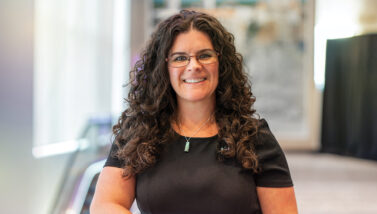
Two Fields, One Heart
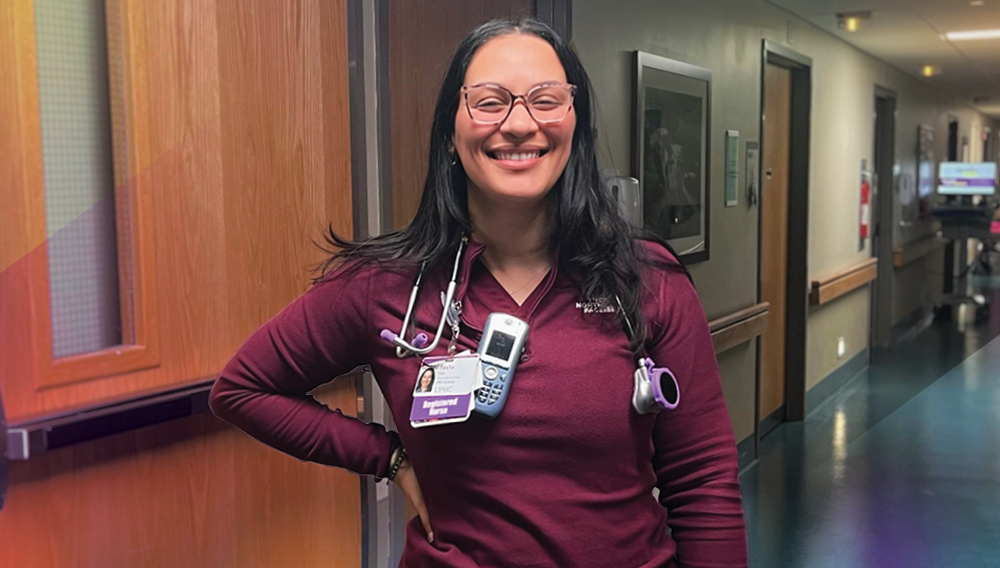
Tasha Cole’s nursing journey is one of passion, resilience, and the remarkable ability to give her heart and time to being a registered nurse in both cardiology and substance abuse recovery.
Cole’s dual path didn’t happen by accident—it grew out of years of dedication. Cole, of Marietta, Pennsylvania, began her health care career in 2007 at an outpatient cardiology office. She did so well during her three-month internship that it turned into a permanent position. For seven years, she immersed herself in heart monitors, triage, and patient care. Then, in 2014, she made a bold transition into addiction services to serve another population in need.
Today, Cole devotes herself wholly to both her roles. At the University of Pittsburgh Medical Center, she works full time caring for patients recovering from open-heart surgeries and valve replacements. And at Acadia Healthcare, she works part time supporting patients working toward recovery from drug and alcohol addiction.
The contrast between the two jobs is stark, but Cole embraces the challenge. “In cardiology, I feel like it’s the critical thinking aspect of it. We really have to be paying attention to electrolytes and, you know, the hemodynamics of the patient,” she explains. Working in addiction services takes a different approach. “The mental health portion of it is a lot more significant than I deal with in the hospital,” she says, referring to more interpersonal interaction.
Called to Nursing Since Childhood
Cole’s dedication to patients recovering from addiction is deeply personal. Having family members who struggled with addiction, she understands the stigma her patients face. “[People with addiction] don’t always get [compassion] from the outside world, and they’re very quickly judged and ridiculed,” Cole explains. Oftentimes, she explains, people with addiction problems are stereotyped as homeless, dirty, or lazy. That’s not always the case. Sometimes, they are struggling to get relief from an ailment with painkillers. What she does, Cole says, is to be there, day after day—for both heart patients and those in recovery. For her, it’s about restoring dignity and offering hope.
Her specific call to nursing, Cole says, is rooted in her childhood. She often helped care for her younger siblings and watched her mother work as a certified nursing assistant. Her mother told her stories about building important bonds with her patients and how gratifying it was to take care of sick patients. “She got so much joy out of helping others, and I wanted to feel that way, too,” Cole says.
Becoming an LPN was her first step, but earning a nursing degree felt out of reach for years. That is, until a mentor introduced her to Excelsior University.
Cole’s mentor attended Excelsior while working full time and taking care of her children. She said the University’s flexible program made balancing her responsibilities more manageable. Cole took the plunge. As a full-time LPN, Cole found that Excelsior offered her just what she was looking for: a flexible online program that fit her schedule. “It was like the first time I was doing an online anything … and, you know, I found that it wasn’t as hard as I thought it would be,” she recalls. With the help of her academic advisor, she pushed forward. She graduated in April 2025 with an Associate in Applied Science in Nursing.
She also proved she could dedicate her time both to her studies and her work, receiving the 2025 Robert E. Kinsinger Memorial Award for demonstrating outstanding academic achievement and for her involvement with the nonprofit sector. Cole’s community engagement, advocacy, and career experience, as well as her academic rigor, made her stand out among her peers. She volunteers at Central Outreach Wellness Center, offering culturally competent health care. She also works with the center to advocate for more equitable funding for addiction and mental health services from the local and state government.
Lessons That Transcend
Cole’s Excelsior University education didn’t just fill in clinical knowledge gaps—it helped her find her voice, as a health care provider and as a person. She uses her knowledge from anatomy and physiology courses daily in her jobs and applies the confidence she gained to bring compassion into both workplaces.
“Things that I’ve learned with Excelsior are more like how to give compassion and like how to be a listening ear—how to show these things without saying them, too,” she says. She sees cardiology and substance recovery as interconnected: Just as the physical heart sustains the body, emotional healing sustains the spirit.
For Cole, cardiology and addiction recovery are two halves of one purpose. Whether she’s monitoring a patient’s heartbeat or supporting someone going through withdrawal, she demonstrates that nursing isn’t just about science; it’s about dedicating yourself fully, even when it means giving your heart to two places at once.