
Technician vs. Technologist vs. Engineer: Different Roles in Electrical Engineering
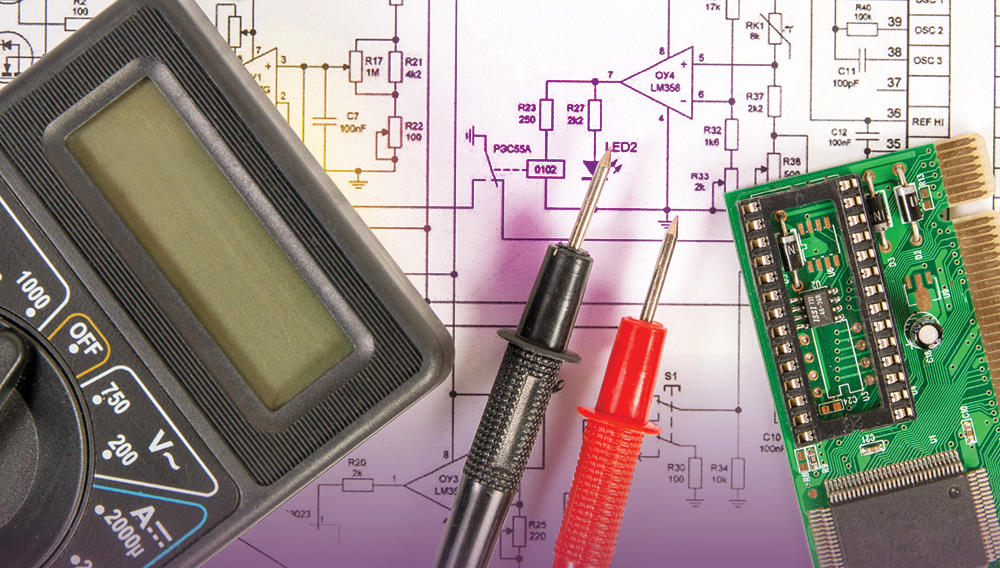
In the field of electrical engineering technology (EET), job titles like technician, technologist, and engineer are often used interchangeably—but they reflect different levels of education, responsibility, and career paths. Understanding these differences helps people looking to enter the industry to confidently pursue a career that aligns with their skills, goals, and credentials. Here, we’ll examine the responsibilities, education requirements, and skill sets associated with all three roles, plus a few examples of real-world job titles.
What Does an Electrical Technician Do?
EET technicians focus on the hands-on installation, testing, maintenance, and troubleshooting of electrical systems and equipment.
- Typical education: Technician roles usually require at least an associate degree or certificate in electrical or electronics technology. Many employers prefer a BS in Electrical Engineering Technology.
- Skill set: In this role, you’ll need strong practical skills, including competence with tools, diagnostic equipment, and wiring.
- Examples of EET technician positions: Electrical technicians, field service technicians, and maintenance technicians are common roles that employers are looking for.

What Is a Technologist?
EET technologists apply engineering principles to solve practical problems, bridge the gap between technicians and engineers, and often supervise or manage technical teams.
- Typical education: Roles for EET technologists usually call for a bachelor’s degree in electrical engineering technology.
- Skill set: Technologists require skills in systems-level thinking, applied design, data analysis, and project management.
- Examples of EET technologist positions: Electrical technologist, test technologist, systems integrator, and automation and controls engineer are typical titles you’ll see in job postings.
What Does an Electrical Engineer Do?
Electrical engineers design new systems or technologies, perform advanced analysis, and often work in R&D or conceptual development roles.
- Typical education: To become an engineer, you’ll need a bachelor’s or advanced degree in engineering (preferably in electrical engineering). This role sometimes requires licensure as a Professional Engineer (PE).
- Skill set: Theoretical modeling, innovation, and systems design are examples of skills you need as an EE.
- Examples of electrical engineer positions: Electrical engineer, design engineer, and systems engineer are common job titles you might have as an EE.
Start Your Career in Electrical Engineering Technology with Excelsior
At Excelsior University, we help students understand the differences between roles in EET so they can pursue the education path that best aligns with their goals. For those interested in technician-level roles, courses such as Blueprint Reading, Personal Protection Equipment for Electrical Work, and Electrical Theory build a solid foundation. And our ABET-accredited Bachelor of Science in Electrical Engineering Technology program prepares students for technologist roles with an emphasis on applied knowledge, simulations, and real-world scenarios, such as power systems, electronics, control systems, and communications.
Although Excelsior’s BS in Electrical Engineering Technology program is not designed to lead directly to PE licensure in most states, graduates can still grow into engineering roles over time, especially through experience, certifications, or graduate education. Students can qualify to take the Fundamentals of Engineering (FE) exam during their senior year or after graduation, and after six years of industry experience, they can take the PE exam.
At Excelsior, we believe in career readiness, lifelong learning, and upward mobility. Many students start as technicians, earn their degree online while working, and move into technologist or even engineering-related positions over time. Through a combination of flexible courses, robust support, and experienced faculty, Excelsior University has been helping students of all ages and backgrounds achieve their goals for more than 50 years. If you’re ready to start or advance your career in electrical engineering technology, learn why you belong at Excelsior.