

Bachelor of Science in Nursing
Bachelor of Science in Nursing
Talk with us.
Learn more about how our program works
and what you need to get started
Talk with us.
Ask questions, learn more, and find out if Excelsior is right for you.
Earn Your Bachelor of Science in Nursing to Start a Career That Makes a Difference
Florida residents, pursue your passion for care and meet the demands of a booming health care industry with a BS in Nursing.
Excelsior University’s Bachelor of Science in Nursing prelicensure program is designed to provide students from all backgrounds and experience levels with the knowledge, skills, and hands-on training they need to start a career as a registered nurse. Prepare to confidently take the NCLEX-RN through a combination of online coursework; in-person labs at Excelsior’s site in St. Petersburg, Florida; and immersive clinical experiences in collaboration with premier clinical partners in the greater Tampa Bay area.
You’ll apply your learning during supervised clinical experiences that ensure a seamless transition from classroom to practice across key areas of nursing, including medical-surgical, pediatrics, maternal-newborn, mental health, community health, and leadership. Guided by experienced faculty and supported by robust academic success resources, BS in Nursing graduates are ready to deliver safe, evidence-based, patient-centered care while excelling as collaborative members of today’s diverse health care teams.
This program is open to Florida residents only.
Dedicated Support
Here for you from start to finish
200,000+ Alumni
Join our global network
Start May 4
Courses start every 8 weeks
PROGRAM DETAILS
- General Education33 Credits
- Major Core56 Credits
- University4 Credits
- Prerequisites to Major Core21 Credits
- Nursing Electives6 Credits
Bachelor of Science in Nursing
- Year 1 - Term 1
-
Information literacy is the ability to find, evaluate, interpret, and use information legally, ethically, and effectively. This course provides a broad overview of information literacy concepts, including the differences between academic and popular research methods, finding and evaluating sources, reading sources critically, writing with sources, and safely navigating information networks such as the internet. Students must complete information literacy within their first 13 credits at Excelsior.Prerequisites
NoneCredit Hours
1Zero Textbook CostUniversity Requirement -
The future: the only constant is change. The only certainty is uncertainty. So how do you prepare today for what might come tomorrow? In this introductory, interdisciplinary course unique to Excelsior University, you will learn through questions, not answers. You will challenge your prior assumptions, open your mind, and consider society s future dilemmas, progress, and crises. You will plan and question your own future your educational path, career trajectories, personal interests, ambitions, and mindsets. And you will build the foundational skills and flexibility of mind research and writing, critical thinking, argumentative reasoning, metacognition, and self-regulation to help you navigate the uncertainty and change of our future societies, workplaces, and selves. Note: This course must be completed with a grade of C or higher. Registration in this course is restricted to incoming students with fewer than 60 transfer credits. This course duplicates IND301 and CCS120. Credit for only one of these courses will be applied toward graduation. The Cornerstone cannot be completed in the same term as a Capstone course.Prerequisites
NoneCredit Hours
3University Requirement -
This course offers an introduction to the major concepts, theoretical perspectives, research methods, and scholarship in sociology. Sociology is the scientific study of human social behavior, and this course examines several important sociological topics, including: culture; socialization; deviance; social inequality; social institutions; and social change. This course also explores various socio-historical and socio-cultural frameworks across the world, promoting an appreciation for unique cultural identities and institutions. Students will improve their analysis, understanding and interpretation of contemporary social issues in this rapidly changing world. This course encourages the practice of "doing" sociology through exploration of students' everyday social world, and the often invisible and taken-for-granted social forces that shape it.Prerequisites
NoneCredit Hours
3Zero Textbook CostGeneral Education: Sociology - Year 1 - Term 2
-
This class provides students with foundational knowledge and skills to prepare them for academic and professional writing. By analyzing the work of other writers, students will learn to approach writing from a rhetorical and genre-based perspective. They will practice sentence- and paragraph-level writing, learning to revise and correct their own work. They will also work on finding, documenting, and effectively integrating sources into a research-based essay. Both traditional (textual) and multimodal (textual and visual) composition will be addressed.Prerequisites
NoneCredit Hours
3Zero Textbook CostAlternative Courses AvailableGeneral Education: Written English I -
Covers an intermediate level of algebra in order to prepare students for subsequent courses in mathematics. Major topics include real numbers and algebraic expressions, equations and inequalities, functions and graphs, systems of equations and inequalities, polynomial expressions and functions, rational and radical expressions, and quadratic equations and functions.Prerequisites
NoneCredit Hours
3General Education: Math - Year 1 - Term 3
-
This course focuses on the structure and function of the human body. Topics and body systems that will be studied include: the chemistry of life, histology and the integumentary system, skeletal and articulation system, muscular system, nervous system, sensory system and the endocrine system.Prerequisites
NoneCredit Hours
3Prerequisite to Major Courses -
This is a laboratory course that utilizes simulations and hands-on experiments to study body systems that include: cells, blood, integumentary system, muscular system, nervous system, skeletal system and the endocrine system. Students use the scientific method in an experimental environment, learn and use safe laboratory practices, perform dissections, perform experiments, gather and analyze data, and present data and conclusions in scientific laboratory reports. (1 credit course)Prerequisites
NoneCredit Hours
1Prerequisite to Major Courses -
In this course, you'll apply psychological principles and theory to your everyday life. In addition to foundational topics like psychology as a science, learning and memory, human development, and consciousness, you will learn about some more specific topics like stress and health, psychological disorders and therapy, and human sexuality. Concepts learned in this course can be applied in any career to better understand behavior, thought, and emotion. Note: This course uses lower cost interactive courseware instead of textbooks.Prerequisites
NoneCredit Hours
3Alternative Courses AvailableGeneral Education: Social Science & History - Year 1 - Term 4
-
This course focuses on the structure and function of the human body. Topics and body systems that will be studied include: blood, the cardiovascular system, lymphatic and immune system, respiratory system, digestive system, nutrition and metabolism, urinary system and fluid balance, and reproductive systems.Prerequisites
NoneCredit Hours
3Prerequisite to Major Courses -
This is a laboratory course that utilizes simulations and hands-on experiments to study body systems that include: temperature regulation and metabolism, fluid and electrolyte balance, digestive system, respiratory system, cardiovascular system, urinary system, the reproductive system, and human development and genetics. Students use the scientific method in an experimental environment, learn and use safe laboratory practices, perform dissections, perform experiments, gather and analyze data, and present data and conclusions in scientific laboratory reports. (1 credit course)Prerequisites
NoneCredit Hours
1Prerequisite to Major Courses -
This course introduces the science of lifespan development and the concept of human growth as being a product of the interaction among the biology, psychology, and environment of the individual. This course examines the physical, cognitive, psychosocial, and environment factors across the lifespan. Students will explore, analyze, and present theories and evidence associated with developmental science from conception through death. Concepts learned in this course can be applied to any career focusing on health or human services and can help learners raise healthier children and live in more functional families.Prerequisites
NoneCredit Hours
3Prerequisite to Major Courses - Year 1 - Term 5
-
This course is designed to help you improve your academic and workplace writing skills. The course emphasizes research-based, argument-driven writing. You will complete a research paper, a workplace proposal, and an oral presentation related to your academic discipline or profession. You will practice finding, evaluating, and citing sources; paraphrasing and summarizing; outlining and paragraphing; and revising and proofreading.Prerequisites
NoneCredit Hours
3Zero Textbook CostAlternative Courses AvailableGeneral Education: Written English II -
This course is an introduction to microbiology. It covers the fundamental concepts of microbiology, including the study of bacteria, viruses, fungi, protozoa, and algae. Students will explore the structure, function, genetics, and physiology of microorganisms, as well as their roles in the environment and human health. Microbiology covers the scientific methods necessary to understand microbial growth and metabolism and provides a historical perspective by reviewing the major scientific contributions that led to modern-day microbiology. Our scientific inquiry will include case studies, a variety of visual aids, virtual labs, discussions, and written assignments.Prerequisites
NoneCredit Hours
3Prerequisite to Major Courses -
This laboratory course introduces the tools and techniques used in microbiology. Students will learn aseptic techniques, explore enzymes and biochemical pathways, evaluate the effectiveness of antibiotics against bacteria, and use selective and differential media. In addition, students will predict the amount of microbes in their surroundings and test the efficacy of household cleaning products. The course includes a hands-on laboratory component designed to complement lecture topics. The course content provides the foundation of general microbiology necessary for students who are interested in applying to health professional programs.Prerequisites
NoneCredit Hours
1Prerequisite to Major Courses - Year 1 - Term 6
-
In this interdisciplinary course, students will develop the analytical skills necessary to examine ethical issues in the workplace. Students explore conventional ethical theories and principles, develop ethical decision-making, and resolve common dilemmas. Students discuss the multiple challenges faced by professionals and identify ethical practices or codes that apply to each of their own professions.Prerequisites
NoneCredit Hours
3Zero Textbook CostGeneral Education: Ethics -
Ever wonder how Steve Jobs created such amazing products or Sarah Lewis used failure for creative success? Given the rapid changes in today's economy and workplace, creativity and innovation continue to be important skills that support career growth. Because employers continuously rate the ability to solve problems as an essential skill, this course is designed to introduce and strengthen a student's ability to move through logical problem-solving processes in order to creatively find solutions to problems that are personally or professionally relevant to them. Neuroscience research affirms that we all possess the same mental capacities as people with highly inventive minds, so students will study innovators and global thinkers who will show them the crucial techniques to increase their competency, sharpen their skills, and develop their innovative mindset.Prerequisites
NoneCredit Hours
3Zero Textbook CostAlternative Courses AvailableArts & Sciences -
General Chemistry examines topics including chemical nomenclature, measurement, states of matter, the atom, chemical bonding, solutions, stoichiometry, and thermochemistry, and how these apply in the world around us. The purpose of this course is to introduce you to the world of chemistry, which covers such topics as the structure of the atom and the basic physical laws that govern matter. You will learn about the processes chemists and scientists use to determine the composition and nature of matter.Prerequisites
MAT114 Intermediate Algebra or MAT116 Precalculus Algebra or MAT120 PrecalculusCredit Hours
3General Education: Natural Science - Year 2 - Term 1
-
This is a 3-credit, science-oriented, introductory online nutrition course that focuses on basic principles of human nutrition. It emphasis the nutrient requirements of healthy individuals, nutrient categories and their characteristics, physiological functions, metabolism, and food sources. It also discusses the role of nutrition in health promotion and disease prevention in relation to personal health choices and with applications for students contemplating careers in the health professions.Prerequisites
NoneCredit Hours
3Prerequisite to Major Courses -
This course analyzes how people influence and are influenced by the real or imagined presence or others and how people interact with and relate to those around them. Topics include research in social psychology, social cognition, social perception and judgment, attitudes and attitude change, conformity and obedience, group behavior, attraction and intimate relationships, helping behavior, aggression, prejudice, and the application of social psychology to other fields including the legal system. The concepts learned in this course can be applied to all careers in which one works with and in teams, as well as work where it is important to influence or persuade others. Duplication Note: This course duplicates PSYX365: Social Psychology. Credit for only one of these will be applied toward graduation.Prerequisites
NoneCredit Hours
3Alternative Courses AvailableGeneral Education: Social Science & History - Year 2 - Term 2
-
Develops the statistical skills of collecting, organizing, summarizing, and analyzing information to draw conclusions or answer questions. Major topics include descriptive statistics, frequency distributions, probability, binomial and normal distributions, statistical inference, linear regression, and correlation. Duplication Note: MAT201 duplicates BUS233: Business Statistics, BUS 231 Business Data Literacy and MAT215: Statistics for Health Care Professionals. Credit in only one of these courses will be applied toward graduation.Prerequisites
MAT101 Math for Everyday Life or MAT114 Intermediate AlgebraCredit Hours
3General Education: Statistics -
One of the most pressing questions a student always has about any given course is, How will this class help me in the real world? A class on critical thinking is arguably the most useful and valuable course you can take, no matter what field of study you are pursuing. Not only will you learn how to effectively solve personal and professional problems and achieve goals, you will also deeply examine some of the most important issues in your life and persuasively communicate about them! From tackling real world situations and case studies, to evaluating arguments from a range of perspectives, you will have the opportunity to skillfully articulate positions, drawing from your own experience as well as aptly applying the solid critical thinking skills you acquire in this class. By the end of the course, you will have mastered the understanding that it is not so much what you know, but how skillfully you think!Prerequisites
NoneCredit Hours
3Alternative Courses AvailableGeneral Education: Humanities - Year 2 - Term 3
-
This course is an introduction to pathophysiology. Students will describe abnormal physiologic functions and disruptions to individuals across the lifespan. They will identify genetic, developmental, cultural, and environmental influences on health and illness. They will also recognize subjective and objective assessment findings of selected pathological processes. Finally, students will examine the interrelatedness of body systems in pathophysiologic processesPrerequisites
NoneCredit Hours
3Prerequisite to Major Courses -
This content focuses on the use of the nursing process, physical assessment, and health promotion of individuals across the life span. Included are techniques and instruments necessary for the examination and wellness promotion initiatives. Client teaching is discussed. Documenting and reporting nursing care and the use of informatics in health care are presented. The concepts of health promotion, maintenance, obtaining a health history and the techniques of physical assessment are presented.Prerequisites
ENG 101A Advanced Composition, PSY 235 Lifespan Developmental Psychology, SOC 101 Introduction to Sociology, BIO 115 Anatomy and Physiology I (NonLab), BIO 115L Anatomy and Physiology I Lab, BIO 116 Anatomy and Physiology II (NonLab), BIO 116L Anatomy and Physiology II Lab, BIO 212 Microbiology, BIO 212L Microbiology Lab, BIO 214 Nutrition, MAT 114 Intermediate Algebra, MAT 201 Statistics Corequisites: BIO 213 Pathophysiology, NUR 124L Health Assessment I LabCredit Hours
3Major Requirement -
This lab course focuses on the application of the nursing process, physical assessment, and health promotion of individuals across the life span. Students engage in hands-on practice of assessment techniques necessary for conducting physical examinations and promoting wellness. Students practice obtaining a health history and conduct a general survey to assess a client s overall health status. Students perform a comprehensive physical assessment and implement health promotion and maintenance strategies in a lab environment. Through simulated client scenarios, students develop skills in client teaching, documentation, and communication of nursing care.Prerequisites
ENG 101A Advanced Composition, PSY 235 Lifespan Developmental Psychology, SOC 101 Introduction to Sociology, BIO 115 Anatomy and Physiology I (NonLab), BIO 115L Anatomy and Physiology I Lab, BIO 116 Anatomy and Physiology II (NonLab), BIO 116L Anatomy and Physiology II Lab, BIO 212 Microbiology, BIO 212L Microbiology Lab, BIO 214 Nutrition, MAT 114 Intermediate Algebra, MAT 201 Statistics Corequisites: BIO 213 Pathophysiology, NUR124 Health Assessment ICredit Hours
1Major Requirement - Year 2 - Term 4
-
This course introduces students to the foundational concepts and skills of professional nursing practice. Emphasis is placed on the application of the nursing process to support clinical judgment and provide safe, client-centered care across the life span. Students explore the care of culturally diverse individuals experiencing pain, discomfort, sensory changes, and chronic conditions. Topics include growth and development, health promotion, illness prevention, and the continuity of care in a variety of settings. Legal, ethical, and regulatory frameworks, along with professional standards, are integrated throughout. Scientific principles from the natural and social sciences inform nursing care for individuals and families, with attention to end-of-life needs and disability.Prerequisites
ENG 101A Advanced Composition, PSY 235 Lifespan Developmental Psychology, SOC 101 Introduction to Sociology, BIO 115 Anatomy and Physiology I (NonLab), BIO 115L Anatomy and Physiology I Lab, BIO 116 Anatomy and Physiology II (NonLab), BIO 116L Anatomy and Physiology II Lab, BIO 212 Microbiology, BIO 212L Microbiology Lab, BIO 214 Nutrition, MAT 114 Intermediate Algebra, MAT 201 Statistics, NUR 124 Health Assessment I, NUR 124L Health Assessment I Lab Corequisites: NUR 129L Fundamentals Lab, NUR 129C Fundamentals Clinical, NUR 130 Cultural Diversity in NursingCredit Hours
3Major Requirement -
This skills-based lab course provides students with the opportunity to learn and practice fundamental nursing skills essential for safe, client-centered care. Using simulation and return demonstration, students apply the nursing process while developing clinical judgment, communication, and technical proficiency. Emphasis is placed on infection control, vital signs, hygiene, mobility, medication administration, and safety procedures. Students gain confidence in delivering care to diverse populations across the life span, preparing them for success in clinical settings.Prerequisites
ENG 101A Advanced Composition, PSY 235 Lifespan Developmental Psychology, SOC 101 Introduction to Sociology, BIO 115 Anatomy and Physiology I (NonLab), BIO 115L Anatomy and Physiology I Lab, BIO 116 Anatomy and Physiology II (NonLab), BIO 116L Anatomy and Physiology II Lab, BIO 212 Microbiology, BIO 212L Microbiology Lab, BIO 214 Nutrition, MAT 114 Intermediate Algebra, MAT 201 Statistics, NUR 124 Health Assessment I, NUR 124L Health Assessment I Lab Corequisites: NUR 129 Fundamentals, NUR 129C Fundamentals Clinical, NUR 130 Cultural Diversity in NursingCredit Hours
0Major Requirement -
This clinical course provides students with supervised, hands-on experience in delivering fundamental nursing care to individuals across the life span. Students apply the nursing process in clinical settings to develop clinical judgment, prioritize client safety, and promote compassionate, culturally sensitive, client-centered care. Emphasis is placed on basic nursing interventions, communication, documentation, infection prevention, and collaboration with the health care team. Through direct client care, students integrate foundational knowledge, technical skills, and professional behaviors necessary for beginning nursing practice.Prerequisites
ENG 101A Advanced Composition, PSY 235 Lifespan Developmental Psychology, SOC 101 Introduction to Sociology, BIO 115 Anatomy and Physiology I (NonLab), BIO 115L Anatomy and Physiology I Lab, BIO 116 Anatomy and Physiology II (NonLab), BIO 116L Anatomy and Physiology II Lab, BIO 212 Microbiology, BIO 212L Microbiology Lab, BIO 214 Nutrition, MAT 114 Intermediate Algebra, MAT 201 Statistics, NUR 124 Health Assessment I, NUR 124L Health Assessment I Lab Corequisites: NUR 129 Fundamentals, NUR 129L Fundamentals Lab, NUR 130 Cultural Diversity in NursingCredit Hours
0Major Requirement -
This course introduces nursing students to the role of culture and diversity in health, illness, and health care delivery, emphasizing how cultural beliefs, values, and traditions shape health experiences and interactions with health care providers. Students explore key topics such as health disparities, social determinants of health, and barriers to care that affect diverse and historically excluded groups. The course also examines the impact of public policy, ethics, and social factors on health care access and outcomes, with a focus on addressing the unique needs of these populations. Students discuss various forms of diversity, including race, ethnicity, religion, gender identity, sexual orientation, socioeconomic status, disability, and more. Throughout the course, students learn to recognize biases, challenge common myths, and develop culturally sensitive communication skills. The ultimate goal is to prepare future nurses to provide inclusive, respectful, and client-centered care while advocating for health equity in an increasingly diverse world.Prerequisites
ENG 101A Advanced Composition, PSY 235 Lifespan Developmental Psychology, SOC 101 Introduction to Sociology, BIO 115 Anatomy and Physiology I (NonLab), BIO 115L Anatomy and Physiology I Lab, BIO 116 Anatomy and Physiology II (NonLab), BIO 116L Anatomy and Physiology II Lab, BIO 212 Microbiology, BIO 212L Microbiology Lab, BIO 214 Nutrition, MAT 114 Intermediate Algebra, MAT 201 Statistics, NUR 124 Health Assessment I, NUR 124L Health Assessment I Lab Corequisites: NUR 129 Fundamentals, NUR 129L Fundamentals Lab, NUR 129C Fundamentals ClinicalCredit Hours
3Major Requirement - Year 2 - Term 5
-
This course prepares students to integrate the nursing process in managing complex adult health conditions, with emphasis on cardiovascular, respiratory, hematologic, and oncologic disorders. Students develop clinical judgment through prioritization, critical thinking, and application of evidence-based interventions in dynamic and diverse care settings. The course highlights culturally responsive, client-centered care while reinforcing professional standards, ethical and legal responsibilities, and interdisciplinary collaboration. Foundational concepts from the natural and social sciences, including principles of anatomy and physiology and microbiology are applied to promote safe, high-quality outcomes across the life span.Prerequisites
ENG 101A Advanced Composition, PSY 235 Lifespan Developmental Psychology, SOC 101 Introduction to Sociology, BIO 115 Anatomy and Physiology I (NonLab), BIO 115L Anatomy and Physiology I Lab, BIO 116 Anatomy and Physiology II (NonLab), BIO 116L Anatomy and Physiology II Lab, BIO 212 Microbiology, BIO 212L Microbiology Lab, BIO 214 Nutrition, MAT 114 Intermediate Algebra, MAT 201 Statistics, NUR 124 Health Assessment I, NUR 124L Health Assessment I Lab, NUR 129 Fundamentals, NUR 129L Fundamentals Lab, NUR 129C Fundamentals Clinical, NUR 130 Cultural Diversity in Nursing Corequisites: NUR 220C Adult Complex Health I ClinicalCredit Hours
3Major Requirement -
This clinical course provides students with the opportunity to apply the nursing process in the care of adults experiencing complex cardiovascular, respiratory, hematologic, and oncologic conditions. Emphasis is placed on developing clinical judgment, prioritization, and decision-making skills in high-acuity medical-surgical settings. Through supervised learning experiences in clinical practice settings, students deliver culturally responsive, client-centered care while collaborating with the interprofessional team and upholding professional, ethical, and legal standards.Prerequisites
ENG 101A Advanced Composition, PSY 235 Lifespan Developmental Psychology, SOC 101 Introduction to Sociology, BIO 115 Anatomy and Physiology I (NonLab), BIO 115L Anatomy and Physiology I Lab, BIO 116 Anatomy and Physiology II (NonLab), BIO 116L Anatomy and Physiology II Lab, BIO 212 Microbiology, BIO 212L Microbiology Lab, BIO 214 Nutrition, MAT 114 Intermediate Algebra, MAT 201 Statistics, NUR 124 Health Assessment I, NUR 124L Health Assessment I Lab, NUR 129 Fundamentals, NUR 129L Fundamentals Lab, NUR 129C Fundamentals Clinical, NUR 130 Cultural Diversity in Nursing Corequisites: NUR 220 Adult Complex Health ICredit Hours
2Major Requirement - Year 2 - Term 6
-
This course focuses on the application of the nursing process to support clinical judgment and provide client-centered care in reproductive, newborn, pediatric, and family health contexts. Students explore a range of health conditions and issues, including male and female reproductive disorders, childbearing and postpartum care, congenital anomalies, genetic conditions, and common pediatric concerns. Emphasis is placed on evidence-based, developmentally appropriate, and culturally sensitive nursing care that considers the unique needs of diverse families. The course integrates professional standards of nursing practice along with ethical, legal, and regulatory considerations. Foundational concepts from the natural and social sciences are applied to promote safe, high-quality care for individuals and families across the life span.Prerequisites
: ENG 101A Advanced Composition, PSY 235 Lifespan Developmental Psychology, SOC 101 Introduction to Sociology, BIO 115 Anatomy and Physiology I (NonLab), BIO 115L Anatomy and Physiology I Lab, BIO 116 Anatomy and Physiology II (NonLab), BIO 116L Anatomy and Physiology II Lab, BIO 212 Microbiology, BIO212L Microbiology Lab, BIO 214 Nutrition, MAT 114 Intermediate Algebra, MAT 201 Statistics, NUR 124 Health Assessment I, NUR 124L Health Assessment I Lab, NUR 129 Fundamentals of Nursing, NUR 129L Fundamentals of Nursing Lab, NUR 129C Fundamentals of Nursing Clinical, NUR 130 Cultural Diversity in Nursing, NUR 220 Adult Complex Health I, NUR 220C Adult Complex Health I Clinical Corequisites: NUR 221C Women, Children and Families ClinicalCredit Hours
4Major Requirement -
This clinical course provides students with guided experience in delivering nursing care to women, newborns, children, and families across diverse health care settings. Students apply the nursing process to develop clinical judgment, promote safety, and provide evidence-based, culturally responsive care for reproductive, maternal, newborn, and pediatric clients. Emphasis is placed on developmentally appropriate communication, family-centered care, health promotion, and collaboration within the interprofessional team. Students are expected to integrate ethical, legal, and professional standards while caring for clients and families during critical transitions across the lifespan.Prerequisites
ENG 101A Advanced Composition, PSY 235 Lifespan Developmental Psychology, SOC 101 Introduction to Sociology, BIO 115 Anatomy and Physiology I (NonLab), BIO 115L Anatomy and Physiology I Lab, BIO 116 Anatomy and Physiology II (NonLab), BIO 116L Anatomy and Physiology II Lab, BIO 212 Microbiology, BIO 212L Microbiology Lab, BIO 214 Nutrition, MAT 114 Intermediate Algebra, MAT 201 Statistics, NUR 124 Health Assessment I, NUR 124L Health Assessment I Lab, NUR 129 Fundamentals of Nursing, NUR 129L Fundamentals of Nursing Lab, NUR 129C Fundamentals of Nursing Clinical, NUR 130 Cultural Diversity in Nursing; NUR 220 Adult Complex Health I, NUR 220C Adult Complex Health I Clinical Corequisites: NUR 221 Women, Children and FamiliesCredit Hours
1Major Requirement -
This course introduces students to the skills and theories of interpersonal communication, which are essential for building and maintaining successful personal and professional relationships. Students will evaluate the complicated interactions of psychological, social and cultural forces involved in interpersonal exchanges, while learning about personality traits, the perception of self and others, listening, managing conflict, and verbal and non-verbal communication.Prerequisites
NoneCredit Hours
3Alternative Courses AvailableGeneral Education: Humanities - Year 3 - Term 1
-
This course emphasizes the application of the nursing process to support clinical judgment and provide client-centered care for individuals experiencing a wide range of acute and chronic health conditions. Topics include diabetes mellitus; dysfunction of the endocrine, hepatic, biliary, renal, and pancreatic systems; infectious and communicable diseases; tissue trauma; neurological and musculoskeletal disorders. Additional content covers immune function, the chain of infection, perioperative nursing, neuromuscular and functional assessments, and complex conditions such as HIV/AIDS, tuberculosis, hepatitis, stroke, trauma, and degenerative diseases. Students apply evidence-based, culturally responsive care within the framework of professional nursing standards and ethical, legal, and regulatory guidelines. Scientific principles from anatomy and physiology, microbiology, and the natural and social sciences are integrated to promote safe, high-quality nursing care across the life span.Prerequisites
ENG 101A Advanced Composition, PSY 235 Lifespan Developmental Psychology, SOC 101 Introduction to Sociology, BIO 115 Anatomy and Physiology I (NonLab), BIO 115L Anatomy and Physiology I Lab, BIO 116 Anatomy and Physiology II (NonLab), BIO 116L Anatomy and Physiology II Lab, BIO 212 Microbiology, BIO 212L Microbiology Lab, BIO 214 Nutrition, MAT 114 Intermediate Algebra, MAT 201 Statistics, NUR 124 Health Assessment I, NUR 124L Health Assessment I Lab, NUR 129 Fundamentals of Nursing, NUR 129L Fundamentals of Nursing Lab, NUR 129C Fundamentals of Nursing Clinical, NUR 130 Cultural Diversity in Nursing, NUR 220 Adult Complex Health I, NUR 220C Adult Complex Health I Clinical, NUR 221 Women, Children and Families, NUR 221C Women, Children and Families Clinical Corequisites: NUR 222C Adult Complex Health II ClinicalCredit Hours
3Major Requirement -
This clinical course provides students with supervised experience in delivering safe, evidence-based nursing care to individuals with complex health conditions across diverse health care settings. Students apply the nursing process to manage care for clients experiencing endocrine, hepatic, renal, pancreatic, neurological, musculoskeletal, and immune system disorders, as well as infectious diseases, perioperative needs, and trauma. Emphasis is placed on clinical judgment, prioritization, effective communication, and culturally responsive, client-centered care. Students integrate professional nursing standards, ethical and legal principles, and interprofessional collaboration to support quality outcomes for clients and families across the life span.Prerequisites
ENG 101A Advanced Composition, PSY 235 Lifespan Developmental Psychology, SOC 101 Introduction to Sociology, BIO 115 Anatomy and Physiology I (NonLab), BIO 115L Anatomy and Physiology I Lab, BIO 116 Anatomy and Physiology II (NonLab), BIO 116L Anatomy and Physiology II Lab, BIO 212 Microbiology, BIO212L Microbiology Lab, BIO 214 Nutrition, MAT 114 Intermediate Algebra, MAT 201 Statistics, NUR 124 Health Assessment I, NUR 124L Health Assessment I Lab, NUR 129 Fundamentals of Nursing, NUR 129L Fundamentals of Nursing Lab, NUR 129C Fundamentals of Nursing Clinical, NUR 130 Cultural Diversity in Nursing, NUR 220 Adult Complex Health I, NUR 220C Adult Complex Health I Clinical, NUR 221 Women, Children and Families, NUR 221C Women, Children and Families Clinical Corequisites: NUR 222 Adult Complex Health IICredit Hours
2Major Requirement -
This course will assist students to develop a greater understanding of addictions. Using an eco-systems approach, the addictive process and recovery will be studied, including the reciprocal interaction between addicted individuals and their various social systems. Students will examine substance abuse and behavioral compulsions. There will be a focus on addiction in various populations as well as the business of drugs and prevention. Attention will be given to the biological and genetic factors in the etiology of addiction, family issues, and community responses. The consequences of addictions will be studied at the individual, family, and community levels. This course draws on current research in the field of addictions, and emphasizes critical analysis of contemporary controversies. This course builds on the foundations of health and human services knowledge and skills to help students better understand this complex problem affecting American society.Prerequisites
NoneCredit Hours
3Zero Textbook CostAlternative Courses AvailableArts & Sciences - Year 3 - Term 2
-
This course focuses on the care of individuals experiencing acute and chronic alterations in mental health. Students examine psychopathology, psychopharmacologic therapies, therapeutic communication, and the role of the nurse in promoting mental health and recovery. Topics include cognitive impairment, anxiety disorders, mood disturbances, thought disorders, self-concept issues, substance use disorders, organic brain syndromes, and concerns related to abuse and violence.The course also addresses health promotion strategies, stress management, and personal growth within the context of mental wellness. Students explore individual and group therapy approaches, as well as community mental health resources. Emphasis is placed on delivering evidence-based, culturally responsive nursing care within the framework of professional standards and ethical, legal, and regulatory guidelines to ensure safe, high-quality care for diverse populations.Prerequisites
ENG 101A Advanced Composition, PSY 235 Lifespan Developmental Psychology, SOC 101 Introduction to Sociology, BIO 115 Anatomy and Physiology I (NonLab), BIO 115L Anatomy and Physiology I Lab, BIO 116 Anatomy and Physiology II (NonLab), BIO 116L Anatomy and Physiology II Lab, BIO 212 Microbiology, BIO 212L Microbiology Lab, BIO 214 Nutrition, MAT 114 Intermediate Algebra, MAT 201 Statistics, NUR 124 Health Assessment I, NUR 124L Health Assessment I Lab, NUR 129 Fundamentals of Nursing, NUR 129L Fundamentals of Nursing Lab, NUR 129C Fundamentals of Nursing Clinical, NUR 130 Cultural Diversity in Nursing, NUR 220 Adult Complex Health I, NUR 220C Adult Complex Health I Clinical, NUR 221 Women, Children and Families, NUR 221C Women, Children and Families Clinical, NUR 222 Adult Complex Health II, NUR 222C Adult Complex Health II Clinical Corequisites: NUR 326C Mental Health Nursing ClinicalCredit Hours
3Major Requirement -
This clinical course provides students with supervised experience in caring for individuals with acute and chronic mental health conditions across a variety of inpatient and community-based settings. Students apply the nursing process to support mental and emotional well-being, using therapeutic communication, clinical judgment, and culturally responsive care. Emphasis is placed on building therapeutic relationships, promoting safety, de-escalation techniques, and engaging in individual, group, and family-centered care. Students integrate knowledge of psychopathology, psychopharmacology, and community mental health resources while adhering to professional standards, ethical and legal frameworks, and regulatory guidelines. This clinical experience reinforces the nurse s role in advocacy, collaboration, and recovery-oriented care for individuals and families experiencing mental health challenges.Prerequisites
ENG 101A Advanced Composition, PSY 235 Lifespan Developmental Psychology, SOC 101 Introduction to Sociology, BIO 115 Anatomy and Physiology I (NonLab), BIO 115L Anatomy and Physiology I Lab, BIO 116 Anatomy and Physiology II (NonLab), BIO 116L Anatomy and Physiology II Lab, BIO 212 Microbiology, BIO 212L Microbiology Lab, BIO 214 Nutrition, MAT 114 Intermediate Algebra, MAT 201 Statistics, NUR 124 Health Assessment I, NUR 124L Health Assessment I Lab, NUR 129 Fundamentals of Nursing, NUR 129L Fundamentals of Nursing Lab, NUR 129C Fundamentals of Nursing Clinical, NUR 130 Cultural Diversity in Nursing; NUR 220 Adult Complex Health I, NUR 220C Adult Complex Health I Clinical, NUR 221 Women, Children and Families, NUR 221C Women, Children and Families Clinical, NUR 222 Adult Complex Health II, NUR 222C Adult Complex Health II Clinical Corequisites: NUR 326 Mental Health NursingCredit Hours
1Major Requirement - Year 3 - Term 3
-
This course focuses on the professional nurse s role in the health promotion of individuals and populations. Emphasis is placed on enhancing communication skills, cultural competence, and physical assessment skills for registered nurses. Care of individual clients and populations is analyzed within the context of environmental influences, social determinants of health, and culture. Students explore the role of technology in improving access to care and optimizing health care outcomes. Students complete a practice experience that includes a health history, a comprehensive physical assessment, a genogram, and a teaching plan on a live adult volunteer. Supporting practice experiences, such as digital clinical simulations, are used to augment direct, hands-on practice experience.Prerequisites
ENG 101A Advanced Composition, PSY 235 Lifespan Developmental Psychology, SOC 101 Introduction to Sociology, BIO 115 Anatomy and Physiology I (NonLab), BIO 115L Anatomy and Physiology I Lab, BIO 116 Anatomy and Physiology II (NonLab), BIO 116L Anatomy and Physiology II Lab, BIO 212 Microbiology, BIO 212L Microbiology Lab, BIO 214 Nutrition, MAT 114 Intermediate Algebra, MAT 201 Statistics, NUR 124 Health Assessment I, NUR 124L Health Assessment I Lab, NUR 129 Fundamentals of Nursing, NUR 129L Fundamentals of Nursing Lab, NUR 129C Fundamentals of Nursing Clinical, NUR 130 Cultural Diversity in Nursing; NUR 220 Adult Complex Health I, NUR 220C Adult Complex Health I Clinical, NUR 221 Women, Children and Families, NUR 221C Women, Children and Families Clinical, NUR 222 Adult Complex Health II, NUR 222C Adult Complex Health II Clinical, NUR 326 Mental Health Nursing, NUR 326C Mental Health Nursing Clinical Corequisites: NUR 345C Comprehensive Healthcare Through the Lifespan ClinicalCredit Hours
4Major Requirement -
This clinical course provides registered nurse students with structured opportunities to apply principles of health promotion, communication, cultural competence, and physical assessment in the care of individuals and populations. Under guided supervision, students complete a comprehensive health history, physical assessment, genogram, and client-centered teaching plan with a live adult volunteer.Emphasis is placed on understanding the impact of social determinants of health, environmental factors, and cultural influences on health outcomes. Clinical reasoning is strengthened through hands-on experiences and the use of simulations to enhance assessment and client education skills. This practice experience supports the development of the nurse s role in health promotion and prevention across diverse populations and care settings.Prerequisites
ENG 101A Advanced Composition, PSY 235 Lifespan Developmental Psychology, SOC 101 Introduction to Sociology, BIO 115 Anatomy and Physiology I (NonLab), BIO 115L Anatomy and Physiology I Lab, BIO 116 Anatomy and Physiology II (NonLab), BIO 116L Anatomy and Physiology II Lab, BIO 212 Microbiology, BIO 212L Microbiology Lab, BIO 214 Nutrition, MAT 114 Intermediate Algebra, MAT 201 Statistics, NUR 124 Health Assessment I, NUR 124L Health Assessment I Lab, NUR 129 Fundamentals of Nursing, NUR 129L Fundamentals of Nursing Lab, NUR 129C Fundamentals of Nursing Clinical, NUR 130 Cultural Diversity in Nursing, NUR 220 Adult Complex Health I, NUR 220C Adult Complex Health I Clinical, NUR 221 Women, Children and Families, NUR 221C Women, Children and Families Clinical, NUR 22 Health II, NUR 222C Adult Complex Health II Clinical, NUR 326 Mental Health Nursing, NUR 326C Mental Health Nursing Clinical Corequisites: NUR 345 Comprehensive Healthcare Through the LifespanCredit Hours
2Major Requirement - Year 3 - Term 4
-
This course builds upon foundational medical-surgical nursing knowledge and focuses on the care of individuals with complex, multisystem health conditions in acute care settings. Emphasis is placed on advanced clinical judgment, prioritization, and decision-making skills using the nursing process to deliver safe, evidence-based, client-centered care.Students analyze complex pathophysiology, advanced pharmacologic interventions, and interdisciplinary care strategies for clients with coexisting conditions. The course also explores leadership roles in clinical practice, ethical and legal considerations, and the coordination of care across transitions and settings. This course prepares students to manage increasing client acuity and complexity with competence and confidence.Prerequisites
ENG 101A Advanced Composition, PSY 235 Lifespan Developmental Psychology, SOC 101 Introduction to Sociology, BIO 115 Anatomy and Physiology I (NonLab), BIO 115L Anatomy and Physiology I Lab, BIO 116 Anatomy and Physiology II (NonLab), BIO 116L Anatomy and Physiology II Lab, BIO 212 Microbiology, BIO 212L Microbiology Lab, BIO 214 Nutrition, MAT 114 Intermediate Algebra, MAT 201 Statistics, NUR 124 Health Assessment I, NUR 124L Health Assessment I Lab, NUR 129 Fundamentals of Nursing, NUR 129L Fundamentals of Nursing Lab, NUR 129C Fundamentals of Nursing Clinical, NUR 130 Cultural Diversity in Nursing, NUR 220 Adult Complex Health I, NUR 220C Adult Complex Health I Clinical, NUR 221 Women, Children and Families, NUR 221C Women, Children and Families Clinical, NUR 222 Adult Complex Health II, NUR 222C Adult Complex Health II Clinical, NUR 326 Mental Health Nursing, NUR 326C Mental Health Nursing Clinical, NUR 345 Comprehensive Healthcare Through the Lifespan, NUR 345C Comprehensive Healthcare Through the Lifespan Clinical Corequisites: NUR 350C Clinical Nursing Practicum ClinicalCredit Hours
4Major Requirement -
This clinical course provides advanced practice experiences for nursing students caring for individuals with complex, multisystem health problems in acute care settings. Students apply critical thinking and refined clinical judgment to prioritize care, manage multiple clients, and respond to rapidly changing health conditions.Clinical experiences emphasize the integration of pathophysiology, pharmacology, and evidence-based interventions while fostering professional communication, interprofessional collaboration, and ethical decision-making. Students are expected to demonstrate increasing autonomy, leadership, and accountability in the delivery of safe, high-quality nursing care. This course prepares students for the transition to professional practice in high-acuity environments.Prerequisites
ENG 101A Advanced Composition, PSY 235 Lifespan Developmental Psychology, SOC 101 Introduction to Sociology, BIO 115 Anatomy and Physiology I (NonLab), BIO 115L Anatomy and Physiology I Lab, BIO 116 Anatomy and Physiology II (NonLab), BIO 116L Anatomy and Physiology II Lab, BIO 212 Microbiology, BIO 212L Microbiology Lab, BIO 214 Nutrition, MAT 114 Intermediate Algebra, MAT 201 Statistics, NUR 124 Health Assessment I, NUR 124L Health Assessment I Lab, NUR 129 Fundamentals of Nursing, NUR 129L Fundamentals of Nursing Lab, NUR 129C Fundamentals of Nursing Clinical, NUR 130 Cultural Diversity in Nursing, NUR 220 Adult Complex Health I, NUR 220C Adult Complex Health I Clinical, NUR 221 Women, Children and Families, NUR 221C Women, Children and Families Clinical, NUR 222 Adult Complex Health II, NUR 222C Adult Complex Health II Clinical, NUR 326 Mental Health Nursing, NUR 326C Mental Health Nursing Clinical, NUR 345 Comprehensive Healthcare Through the Lifespan, NUR 345C Comprehensive Healthcare Through the Lifespan Clinical Corequisites: NUR 350 Clinical Nursing PracticumCredit Hours
2Major Requirement - Year 3 - Term 5
-
This course focuses on the role of the baccalaureate-prepared nurse in translating and disseminating current evidence into nursing practice. The integration of theory, evidence, best practices, cultural considerations, and client preferences in clinical decision-making are examined. Students develop a basic understanding of the generation of knowledge by examining research processes and appraising the value of current evidence for practice. Course content analyzes the collaborative role of the baccalaureate-prepared nurse in the interprofessional team, with a focus on the improvement of health outcomes. Advocacy for the protection of human subjects in research is emphasized, and students evaluate ethical practices that protect clients from harm. The student explores the impact of health care economics on research and the translation and application of research findings.Prerequisites
ENG 101A Advanced Composition, PSY 235 Lifespan Developmental Psychology, SOC 101 Introduction to Sociology, BIO 115 Anatomy and Physiology I (NonLab), BIO 115L Anatomy and Physiology I Lab, BIO 116 Anatomy and Physiology II (NonLab), BIO 116L Anatomy and Physiology II Lab, BIO 212 Microbiology, BIO 212L Microbiology Lab, BIO 214 Nutrition, MAT 114 Intermediate Algebra, MAT 201 Statistics, NUR 124 Health Assessment I, NUR 124L Health Assessment I Lab, NUR 129 Fundamentals of Nursing, NUR 129L Fundamentals of Nursing Lab, NUR 129C Fundamentals of Nursing Clinical, NUR 130 Cultural Diversity in Nursing, NUR 220 Adult Complex Health I, NUR 220C Adult Complex Health I Clinical, NUR 221 Women, Children and Families, NUR 221C Women, Children and Families Clinical, NUR 222 Adult Complex Health II, NUR 222C Adult Complex Health II Clinical, NUR 326 Mental Health Nursing, NUR 326C Mental Health Nursing Clinical, NUR 345 Comprehensive Healthcare Through the Lifespan, NUR 345C Comprehensive Healthcare Through the Lifespan Clinical, NUR 350 Clinical Nursing Practicum, NUR 350C Clinical Nursing Practicum Clinical Corequisites: NUR 455 Community and Public Health Nursing, NUR 455C Community and Public Health Nursing ClinicalCredit Hours
3Major Requirement -
This course integrates evidence, theory, standards, and knowledge from nursing, public health, and other disciplines to guide population-focused nursing practice. Importance is placed on the application of the core functions of public health: assessment, policy development, interprofessional collaboration, and the assurance of available and necessary health services for diverse populations. Emphasis is placed on identifying determinants of health, advocating for vulnerable populations, prioritizing primary prevention, empowerment, population advocacy, and utilizing available resources to improve the health of populations. Population-focused nursing involves assessing the health care needs of a specific population and making health care decisions for the population rather than for individuals.Prerequisites
ENG 101A Advanced Composition, PSY 235 Lifespan Developmental Psychology, SOC 101 Introduction to Sociology, BIO 115 Anatomy and Physiology I (NonLab), BIO 115L Anatomy and Physiology I Lab, BIO 116 Anatomy and Physiology II (NonLab), BIO 116L Anatomy and Physiology II Lab, BIO 212 Microbiology, BIO 212L Microbiology Lab, BIO 214 Nutrition, MAT 114 Intermediate Algebra, MAT 201 Statistics, NUR 124 Health Assessment I, NUR 124L Health Assessment I Lab, NUR 129 Fundamentals of Nursing, NUR 129L Fundamentals of Nursing Lab, NUR 129C Fundamentals of Nursing Clinical, NUR 130 Cultural Diversity in Nursing, NUR 220 Adult Complex Health I, NUR 220C Adult Complex Health I Clinical, NUR 221 Women, Children and Families, NUR 221C Women, Children and Families Clinical, NUR 222 Adult Complex Health II, NUR 222C Adult Complex Health II Clinical, NUR 326 Mental Health Nursing, NUR 326C Mental Health Nursing Clinical, NUR 345 Comprehensive Healthcare Through the Lifespan, NUR 345C Comprehensive Healthcare Through the Lifespan Clinical, NUR 350 Clinical Nursing Practicum, NUR 350C Clinical Nursing Practicum Clinical Corequisites: NUR 443 Foundations of Nursing Research, NUR 455C Community and Public Health Nursing ClinicalCredit Hours
4Major Requirement -
This clinical course provides students with experiential learning opportunities in population-focused nursing practice within community and public health settings. Under faculty and preceptor guidance, students apply principles of assessment, policy development, and interprofessional collaboration to promote the health and well-being of diverse populations.Students engage in community-based health initiatives, conduct population health assessments, and develop interventions that address social determinants of health, health disparities, and resource accessibility. Emphasis is placed on primary prevention, advocacy for vulnerable and underserved populations, and the integration of public health functions to assure quality care at the population level. Through clinical experiences, students gain skills in program planning, health education, outreach, and evaluation to support the delivery of equitable, evidence-based public health nursing care.Prerequisites
ENG 101A Advanced Composition, PSY 235 Lifespan Developmental Psychology, SOC 101 Introduction to Sociology, BIO 115 Anatomy and Physiology I (NonLab), BIO 115L Anatomy and Physiology I Lab, BIO 116 Anatomy and Physiology II (NonLab), BIO 116L Anatomy and Physiology II Lab, BIO 212 Microbiology, BIO 212L Microbiology Lab, BIO 214 Nutrition, MAT 114 Intermediate Algebra, MAT 201 Statistics, NUR 124 Health Assessment I, NUR 124L Health Assessment I Lab, NUR 129 Fundamentals of Nursing, NUR 129L Fundamentals of Nursing Lab, NUR 129C Fundamentals of Nursing Clinical, NUR 130 Cultural Diversity in Nursing, NUR 220 Adult Complex Health I, NUR 220C Adult Complex Health I Clinical, NUR 221 Women, Children and Families, NUR 221C Women, Children and Families Clinical, NUR 222 Adult Complex Health II, NUR 222C Adult Complex Health II Clinical, NUR 326 Mental Health Nursing, NUR 326C Mental Health Nursing Clinical, NUR 345 Comprehensive Healthcare Through the Lifespan, NUR 345C Comprehensive Healthcare Through the Lifespan Clinical, NUR 350 Clinical Nursing Practicum, NUR 350C Clinical Nursing Practicum Clinical Corequisites: NUR 443 Foundations of Nursing Research, NUR 455 Community and Public Health NursingCredit Hours
1Major Requirement - Year 3 - Term 6
-
TThe Capstone course provides an opportunity for students to synthesize concepts of professional nursing, develop a quality improvement initiative, apply principles of interprofessional collaboration, and demonstrate self-development. The course is designed to help students apply leadership principles related to effective communication, collaboration, and delegation within interprofessional teams through the work done on the quality improvement initiative.Prerequisites
The Capstone must be the last course taken. All Major Core and University Requirement courses must be complete. The Capstone can be paired with one other course that is considered to be a general education course (excluding courses to meet the Written English Requirement and the Ethics Requirement), a concentration course, elective, or lab course (even if the lab is in the major). Corequisite: NUR 465C Pre-licensure Baccalaureate Nursing Capstone ClinicalCredit Hours
4Major Requirement -
This culminating clinical course provides students with the opportunity to integrate and apply advanced nursing knowledge, leadership principles, and professional competencies through a population- or systems-focused quality improvement project. Under the guidance of faculty and in collaboration with interprofessional teams, students complete a direct practice experience that emphasizes communication, collaboration, delegation, and systems thinking in real-world settings.Students engage in reflective practice, group debriefing, and self-assessment activities to promote ongoing professional development. The clinical experience supports synthesis of prior learning while demonstrating readiness to contribute to practice change, lead improvement initiatives, and advance the delivery of safe, high-quality care within complex health care systems.Prerequisites
The Capstone must be the last course taken. All Major Core and University Requirement courses must be complete. The Capstone can be paired with one other course that is considered to be a general education course (excluding courses to meet the Written English Requirement and the Ethics Requirement), a concentration course, elective, or lab course (even if the lab is in the major). Corequisite: NUR 465 Pre-licensure Baccalaureate Nursing CapstoneCredit Hours
1Major Requirement
Explore Common Careers
Your Career
Can’t Wait
Registered Nurse
Play a vital role in providing and coordinating care for patients in collaboration with doctors and other health care professionals.
Median Annual Salary:$93,000
Medical-Surgical Registered Nurse
Provide specialized care for patients before and after surgery.
Median Annual Salary:$98,000
9%
Job Growth
by 2035
ICU Registered Nurse
Handle critical situations and complex care in the intensive care unit of a hospital.
Median Annual Salary:$109,000
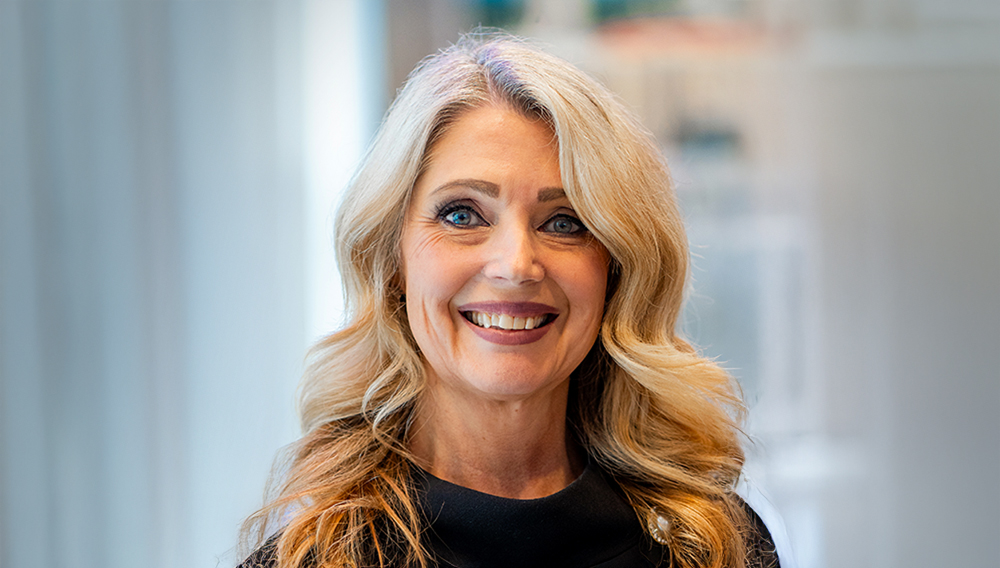
Angela Owens, DNP, RN, PCC, CEC, CMC
Associate Dean, School of Nursing
College of Nursing and Health Sciences

Institutional Accreditation
Excelsior University is an accredited institution and a member of the Middle States Commission on Higher Education (MSCHE or the Commission) www.msche.org. Excelsior University’s accreditation status is accreditation reaffirmed. The Commission’s most recent action on the institution’s accreditation status on June 23, 2022 was to reaffirm accreditation. MSCHE is recognized by the U.S. Secretary of Education to conduct accreditation and pre-accreditation (candidate status) activities for institutions of higher education including distance, correspondence education, and direct assessment programs offered at those institutions. The Commission’s geographic area of accrediting activities is throughout the United States.
Excelsior’s academic programs are registered by the New York State Education Department and/or have Florida-based licensing with the Commission for Independent Education, Florida Department of Education (License No. 12928).
FAQ
Excelsior University hosts tours, public events, visitor days, prospective student days, and program showcases throughout the year at our St. Petersburg, Florida site. Check our calendar for the most up-to-date listing of events.
Ready to get started today? Speak to an admissions representative at any time.
Yes. Excelsior University’s BS in Nursing prelicensure program is for students at any level of experience, including those with a background in health care like LPNs or LVNs.
In Excelsior’s BS in Nursing prelicensure program, you’ll gain the knowledge, skills, and experience necessary to pass the NCLEX-RN and enter the workforce as a practice-ready registered nurse, with courses that include:
- Nutrition
- Community and Public Health Nursing
- Fundamentals of Nursing
- Lifespan Developmental Psychology
Time spent at Excelsior University’s site in St. Petersburg, Florida, will vary from term to term depending on the course. You can expect to spend at least one to two days per week on-site.
No. Students do not need health care experience to apply for Excelsior’s BS in Nursing prelicensure program. Read more about the application requirements.
With courses focused on critical thinking, clinical experience, and the application of nursing theory to real-world scenarios, BS in Nursing graduates will be prepared to take the NCLEX-RN and start their careers as registered nurses
