
Earn Your Engineering Technology Degree at Excelsior University
Calling all builders, makers, and opportunity takers! With an engineering technology degree from Excelsior University, you can power up your career and immerse yourself in the innovation and mechanics of the complex systems that move our world.
School of Technology
College of Liberal Arts and Sciences

If a career taking on new challenges and solving problems is where you thrive, Excelsior’s associate and bachelor’s degree programs in engineering technology will help you hone your technical skills while building your confidence and leadership abilities.
Whether you want to specialize in electrical, mechanical, or nuclear engineering technology, or enhance your general and tech management skills, Excelsior has the program for you.
Explore our degree options and resources, discover engineering technology career paths, and read stories from students to learn why you belong at Excelsior University.
Our programs prepare students to think critically, work with modern engineering tools and technologies, and translate knowledge into action. Whether graduates work in energy, manufacturing, automation, or other technical industries, they leave prepared to contribute immediately while continuing to grow as technology and their careers evolve.”
James Tippey, DCS
Associate Dean, School of Technology
College of Liberal Arts and Sciences

Find the engineering technology degree that’s right for you.
BS Nuclear Engineering Technology
The ABET-accredited Bachelor of Science in Nuclear Engineering Technology program is ideal for both seasoned nuclear energy professionals and those looking to shift their technology career into this exciting renewable energy field. Choose between two technical concentrations, Nuclear Cybersecurity or Nuclear Leadership, or design a separate study plan that aligns more closely with your goals.
BS in Electrical Engineering Technology
At the bachelor’s level, Excelsior offers an ABET-accredited Bachelor of Science in Electrical Engineering Technology program that sharpens your skills and prepares you for a long-term career in industries like electrical power, semiconductors, and electronics, with hands-on training, experienced faculty, and industry connections. Concentrations include Electronics and Power Systems.
BS in Mechanical Engineering Technology
In the Bachelor of Science in Mechanical Engineering Technology program, you’ll gain a deeper understanding of how products and machinery work, as well as the confidence to harness your knowledge in the designing, manufacturing, and improving of mechanical systems. Concentrations include Robotics, Nuclear Engineering, and Renewable Energy.
AAS in Technical Studies
For passionate problem-solvers starting their careers, the Associate in Applied Science in Technical Studies program prepares you for a range of technical professions and further education, with concentration options of either Electrical Technologies or Nuclear Technologies/Power Plant Technologies.
BPS in Technology Management
An excellent choice for those seeking to leverage their technical skills into leadership or consulting positions, the Bachelor of Professional Studies in Technology Management program combines technical education with courses that grow your management abilities. Choose one of three concentrations: Nuclear Technology, Renewable Energy Technology, or Electrical Technology.
Your Career in Engineering Technology








Engineering Technology Industry Insights
-
What Is Nuclear Cybersecurity?
April 11, 2025 -
Essential Skills in Electrical Engineering Technology
April 9, 2025 -
Myths About Nuclear Energy—Debunked
March 12, 2025 -
Everyday Uses of Nuclear Technology You May Not Know About
February 7, 2025 -
Technology Trends in Electrical Engineering
February 3, 2025
-
The Importance of Nuclear Safety
January 17, 2025 -
Building Smart Homes with Electrical Engineering
October 30, 2024 -
What Is a Technical Studies Degree?
October 18, 2024 -
The Importance of Leadership in Engineering
July 23, 2024 -
Engineering vs. Engineering Technology
November 29, 2023
Accreditation

The Bachelor of Science in Electrical Engineering Technology is accredited by the Engineering Technology Accreditation Commission of ABET, https://www.abet.org, under the commission’s General Criteria and Program Criteria for Electrical/Electronic(s) Engineering Technology and Similarly Named Programs.
The Bachelor of Science in Nuclear Engineering Technology is accredited by the Engineering Technology Accreditation Commission of ABET, https://www.abet.org, under the commission’s General Criteria and Program Criteria for Nuclear Engineering Technology and Similarly Named Programs.

Excelsior University is an accredited institution and a member of the Middle States Commission on Higher Education (MSCHE or the Commission) www.msche.org. Excelsior University’s accreditation status is accreditation reaffirmed. The Commission’s most recent action on the institution’s accreditation status on June 23, 2022 was to reaffirm accreditation. MSCHE is recognized by the U.S. Secretary of Education to conduct accreditation and pre-accreditation (candidate status) activities for institutions of higher education including distance, correspondence, and direct assessment programs offered at those institutions. The Commission’s geographic area of accrediting activities is throughout the United States.
Best For Vets
2025 Colleges
Military Friendly® Rating
Student and Alumni Experiences

Going Nuclear
Nathaniel Cox’s childhood dream propels him toward a successful future
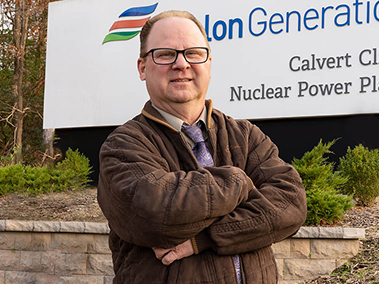
A Walk to Remember
William Klee’s hard work in the Navy, at Calvert Cliffs Nuclear Power Plant, and in Excelsior’s courses leads him to accomplish his dream of working in nuclear energy.

Success in Nuclear Technology
Earning a degree helps Jake Smith transition from military to a successful civilian career

Success in Facilities Management
Lawrence Warner excels in his career thanks to his engineering technology degree.
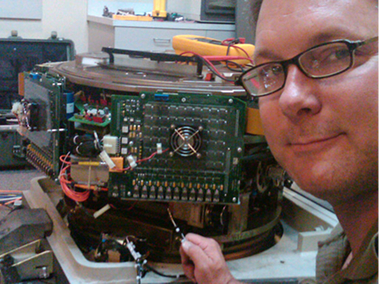
Tech Hero
Jesse Bradley’s Technology Degree Helps Him Do a Job that Affects People’s Lives
Societies and Foundations

The objective of the American Nuclear Society (ANS) Student Section is to promote the advancement of science and engineering relating to nuclear and allied sciences and arts through affiliation with an international organization of nuclear scientists and engineers. Excelsior is the only distance learning institution to host an American Nuclear Society Student Section.
Let our students’ success stories inspire you to write your own.

“Your journey is not going to look like somebody else’s journey, but that’s okay, because they have something for everyone …”
Jatik Gibbs-Judd
BS in Nuclear Engineering Technology, 2025

“I was given all the tools and all the support that I needed, and that made a huge difference for me.”
Micah White
BS in Electrical Engineering Technology, 2023
Common Questions
If these FAQs don’t fully answer your questions, our specialists can. Don’t hesitate to reach out and ask!
Excelsior offers the following engineering technology degree programs:
- AAS in Technical Studies
- BS in Electrical Engineering Technology
- BS in Mechanical Engineering Technology
- BS in Nuclear Engineering Technology
- BPS in Technology Management
With an engineering technology degree, you can pursue careers in various fields, including energy and power, production, machine design, manufacturing, and operations. Explore Excelsior’s programs to discover common careers specific to each degree.
A degree program in engineering technology equips you with practical, hands-on abilities to solve real-world problems, including technical skills, problem-solving, and project management. You’ll learn skills specific to your area of expertise, along with analytical thinking, communication, and the ability to collaborate effectively in and across teams.
How much you earn depends on your job title, level of education, and experience. The U.S. Bureau of Labor Statistics reports that the median annual wage for those with an engineering technology degree was $80,000 in 2022.
Engineering technologists can find work in a variety of industries, including:
- Manufacturing
- Utilities
- Nuclear energy
- Military
- Information technology
- Aerospace
- Power systems
