Recruiting Talent in the Cannabis Industry

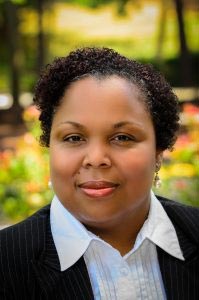
As the legal cannabis industry grows, career options have begun to diversify. To help fill their human resource needs, many cannabis companies have turned to recruiters. To find out more about what a cannabis industry recruiter does, Excelsior College spoke with Candice Miles, senior recruiting manager at coNectar Recruiting, a recruiting, staffing, and payroll agency focused solely on providing growth solutions to the cannabis and hemp industries.

Miles describes her role as a cannabis recruiter as both helping cannabis companies find talent and helping people find jobs within the cannabis industry. What this looks like in practice is a lot of networking, and a lot of connecting with professionals who are passionate about cannabis. Miles spends most of her day on the phone, conducting video interviews, and searching LinkedIn and other sources for both talent and companies seeking talent. Since she spends so much time sending emails, making calls, and interviewing people, Miles relies heavily on the writing and communication skills she has honed throughout her education and career.

While Miles is a veteran recruiter, like many of her candidates, she hasn’t always worked in the cannabis industry. However, when the opportunity arose to join a start-up cannabis recruiting agency, she knew she had to make the jump. As Miles recounts, one of coNectar’s co-founders came from a nationally held recruiting agency that, after California legalized cannabis for adult use, announced it would not allow employees to work with any cannabis or ancillary companies. In response, organizers formed coNectar to help new and newly legal companies that are growing and need talent acquisition support but can’t always get it from traditional places.

According to Miles, there are a number of reasons why a cannabis company might need a recruiter. Many companies and operators got their start on the illicit market, where they did very little hiring, and may not now be familiar with operating within legal realms. Miles says these companies are trying to be more compliant and using a recruiter that can connect them with top compliance, finance, and legal talent can help get them there.

Further, many cannabis companies are growing and scaling rapidly and find themselves in need of assistance due to time constraints. A cannabis recruiter like Miles can provide talent within a few days, whereas a hiring manager at a cannabis licensee may not have the extra time to spend networking, reviewing resumes, and posting ads. If that cannabis licensee calls Miles, she will have already done the legwork of pre-qualifying candidates through interviews and reference checks. Ultimately this can save a company on hiring costs, but the savings on time are important as well since an open job can affect the costs of a company and put a strain on human resource allocation.

Throughout her tenure as a cannabis recruiter, Miles has worked with all types of companies within the realm of cannabis and ancillary businesses, from brands that are sold in dispensaries to marketing agencies, packaging companies, extraction labs, and even the companies that make the equipment used in extraction labs. But while these are different positions and types of businesses than she recruited for in other industries, Miles says that the main differences between recruiting in cannabis and elsewhere are not necessarily what you would expect.

According to Miles, if you look at a resume for somebody in the cannabis industry, they might appear to be a “job hopper” due to tumult in the industry. “2019… was a pretty crazy year for cannabis, so people have a lot of short stints at their company, which outside of cannabis can be seen as a negative, but within cannabis, we all understand the nature of the market and what’s caused people to have to do that. It doesn’t necessarily mean that they meant to or want to jump from job to job very quickly,” says Miles.

The other main difference Miles sees with the cannabis industry is passion: “In other industries that I’ve worked for or recruited for they didn’t always care if the person had a passion for their job. ‘Why did you get into this industry?’ wasn’t very often a typical question to be asking somebody, but with cannabis it’s always on the forefront of our minds: ‘Why cannabis? Why did you choose this industry?’ And we find the people that really have that passion are those that connect with the companies that we’re hiring for.”

For Miles, the best part of her job as a cannabis recruiter is when she gets someone an offer for a job that they’re in love with. “You get to just hear the excitement in their voice and know you helped somebody,” she says. As far as advice for recruitment and human resources professionals in other industries looking to move into cannabis, Miles says to first make sure you have a passion for it, and then to focus on networking or working with a recruiter that can help get you into the industry. She adds that professionals in the human resources field, in particular, should start looking into cannabis compliance issues because they are going to encounter a lot of nuances that are different for cannabis than for other industries.

Miles wishes that before entering the industry she had known more about the evolution of different brands and cannabis product types over the decades prior. Once she entered the industry, though, she dove head-first into educating herself on everything legal cannabis, from seed to sale, and she encourages her candidates to do the same.

If you’re a professional looking to learn more about the cannabis industry, check out Excelsior College’s 9-credit graduate certificate in cannabis control.


How Students Will Benefit from Excelsior’s Graduate Certificate in Cannabis Control

The cannabis industry is a diverse place with lots of job opportunities for professionals, ranging from compliance and certification officers, risk management professionals, strategists, accountants, laboratory testers, plant growers, packagers, marketers, executives, and administrative professionals. Once an illicit industry run by cartels, the U.S. cannabis industry today is an established green market that resembles many mainstream industries.

Because of the size of this industry niche, there is a massive need for educated professionals to fill these positions, but many lack the professional skills or education required to be hired. While some are choosing to start at the counter as budtenders and work their way up, that’s not always an option for those who have already started their careers and can’t afford to take entry-level positions or are looking for ways to transfer their existing professional skills.

Recognizing the need for professional certification and a leg up on the competition, Excelsior College is one of the first academic institutions in the country to offer a professional certification that can be earned online, allowing folks from all across the country to participate.

Our Graduate Certificate in Cannabis Control

Excelsior College’s Graduate Certificate in Cannabis Control will educate anyone interested in entering or securing their place in the cannabis industry on the opportunities, challenges, and complexities of the cannabis industry and its accompanying regulations.

Students will develop critical thinking skills and deepen their knowledge base to understand the impact of cannabis legalization in our communities, states, and nation, enabling professionals entering the market to keep pace in this fast-changing environment. With a unique interdisciplinary approach, combined with years of experience, Excelsior College is well-positioned to train students on how to converse with policymakers, industry leaders, proprietors, and other stakeholders across the many professions that the cannabis industry touches.

Digital Education to Train Cannabis Industry Professionals

Excelsior offers this certificate as a fully online program that includes three graduate interdisciplinary courses focusing on policy, risk assessment, and commerce. The certificate can be earned in as few as six months and is an excellent specialization for students already pursuing a business, health sciences, or public service degree.

Excelsior College Cannabis Courses

The cannabis control certificate program is taught by industry experts and designed around a career-focused compliance and regulatory framework. The three courses in the cannabis program include:

CBC 600 Implications of Legalization of Cannabis: Policy and Compliance

In this course, students will consider the impact of legalization on various institutions, entities, and individuals, and address aspects including safety, testing/regulation, marketing, dilemmas between policy and legal regimes they live in, and budgetary implications.

CBC 601 Interstate/International Commerce: Policy and Regulatory Environment

In this course, students will analyze the complexities of interstate/international commerce and explore the differences in regulations at the federal and state levels, as well as the different regulatory environments across states. Specific focus will be on issues related to cybersecurity, supply chain management, and inventory control, and their implications for business organizations that might operate across markets with varying regulatory environments.

CBC 602 Risk Assessment in Cannabis Control

In this course, students will learn about risk assessment in cannabis control and gain skills necessary to evaluate risks in the field related to: cultivation, harvesting, genetic testing, containment, water supply, pests, cybersecurity, grants, product safety labeling, and workplace testing/safety. Students will discuss harm reduction strategies when moving from an unregulated to a regulated market. They will also learn to conduct risk assessments in their communities.

Excelsior College is one of the longest-running distance education providers in the United States and has nearly two decades of experience in online education and almost 50 years of helping students earn their degrees. This Graduate Certificate in Cannabis Control offers students a unique opportunity to propel their careers forward in one of the newest markets in the country, with wide potential. With the need for increased education and professionalization of the industry, students will acquire the tools necessary to secure and expand their careers. Visit our program page and contact us today to get started.

Excelsior College Launches Graduate Certificate in Cannabis Control

Albany, N.Y. – Excelsior College is excited to announce the launch of its Graduate Certificate in Cannabis Control. The three-course, 9-credit certificate will support professionals currently working or aspiring to work in the relatively new and rapidly expanding legal cannabis industry.

Some economic forecasts predict that legal cannabis will be a $73 billion industry by 2025, and recent analyses show employment opportunities expanding in concert with industry growth. Leveraging a fully online delivery model, the program will provide high-quality, academically rigorous courses to support adult learners from diverse academic, geographic, and cultural backgrounds.

James N. Baldwin, president of Excelsior College, shared, “This new certificate program shows our commitment to supporting individuals seeking employment in emerging industries and will provide the needed tools for employees to stay current while working in this field. The demands and realities of an increasingly globalized economy have reshaped the higher education landscape, and Excelsior College is responding with opportunities like this graduate certificate. We see this certificate as a component of a larger ecosystem that enables learners to pursue degree programs, non-credit professional development opportunities, and micro credentials at any time to meet their personal and professional goals.”

Admission to Excelsior’s cannabis control certificate program requires students to have completed their bachelor’s degree. This graduate-level certificate program takes an interdisciplinary approach and can be taken alone for college credit and career advancement or applied toward four of Excelsior College’s master’s degree programs.

The three courses in the certificate program include:

  • Implications of Legalization of Cannabis: Policy and Compliance
  • Interstate/International Commerce: Policy and Regulatory Environment
  • Risk Assessment in Cannabis Control

The certificate program will enhance students’ understanding and interpretation of a complex regulatory environment that has significant variation across jurisdictions—federal, state, and municipal.

Scott Dolan, dean of School of Graduate Studies at Excelsior College, stated, “The Graduate Certificate in Cannabis Control will help students navigate the sector’s complex regulatory environment. By aligning the program with our master’s degrees in business, public administration, health sciences, and criminal justice, we are looking to foster dialogue across disciplines that often approach the regulatory environment from different perspectives. Skills learned in the courses will prepare students to analyze, interpret, and advocate for sound policies and regulations that work to the benefit of all stakeholders in the legal cannabis industry. The curriculum will also put students in the context of the industry—utilizing realistic case studies—to ensure students graduate from the program career-ready.”

Students enrolled in the certificate program will gain political acumen, expand their professional networks, and receive formal training in a dynamic field.

Provost John Caron stated, “As more states move toward the legalization of cannabis and cannabis-related products, organizations in a variety of sectors—both public and private—will require a deeper understanding of the newly emerging regulatory environment. Cannabis is projected to hit a job-creation rate of 110 percent in just three years from 2017 to 2020. By 2021, the cannabis industry is expected to create 414,000 jobs in the U.S.” To view the salaries in various communities, visit https://info.vangst.com/hubfs/2019SalaryGuide.pdf.

For more information about Excelsior College, visit https://www.excelsior.edu/program/graduate-certificate-in-cannabis-control/ 

#  #  #

 ABOUT EXCELSIOR COLLEGE

Excelsior College (excelsior.edu) is a regionally accredited, not-for-profit online college focused on helping adults complete their degrees and advance their careers. The college contributes to the development of a diverse, educated, and career-ready society by valuing lifelong learning with an emphasis on serving individuals historically underrepresented in higher education. Founded in 1971, Excelsior meets students where they are — academically and geographically — removing obstacles to the educational goals of adults pursuing continuing education and degree completion. Our pillars include innovation, flexibility, academic excellence, and integrity. Learn more at excelsior.edu.

Excelsior College Media Contact:

Alicia Jacobs, ajacobs@excelsior.edu, 518-410-4624

NisonCo Media Contact

Zane Bader, zane@nisonco.com, 470-342-5440 (for Cannabis specific)


Smooth Transition

Robert Trawick’s Excelsior degrees prepare him for life after the military

Robert Trawick, of Fayetteville, NC, retired from the U.S. Army in 2018 after 30 years and began the process of transitioning to civilian life. Transitioning from the military to civilian life can be different for everyone and fortunately for Trawick, he started pursuing his higher education while still in the Army so his shift to civilian work would be more comfortable. He earned an Associate in Applied Science in Business from Excelsior College in 2006 and then returned to earn a Bachelor of Science in Liberal Arts in 2019.

Trawick joined the Army in 1988 and became a gunner and assistant gunner for the 7th Battalion, 8th Field Artillery in Schofield Barracks in Hawaii. During his time with the Army, he also served as a computer programmer, information technology specialist, program manager where he planned, developed, and implemented security programs, special operations project management, security policies, and advanced telecommunications and network security solutions. By the time he retired, Trawick was a sergeant major and the senior signal operations manager for the U.S. Army Forces Command and the principal senior enlisted advisor to the Army’s general officer-level commanders.

In 2005, Trawick decided to go back to school to improve himself, earn credits to become promoted to the next grade, prepare for life after the Army, and to take on the challenge of attending college. Even though Trawick had a difficult time in high school when it came to studying and homework, he was still an honor student, president of the National Honor Society, president of the Math Club, voted most likely to succeed, and voted most versatile. In fact, he earned two basketball scholarships to attend college but decided to join the Army instead. “I chose the Army because I felt like it was time for me to become my own man and start living my life as an adult taking care of myself,” he says, adding that he felt he would not be successful in college due to his study habits.

Trawick had heard about Excelsior’s good reputation with military servicemembers and their families and liked the College’s generous credit transfer policy. “Excelsior College has always been military friendly. Serving in the military requires lots of travel and moving every two to three years. Most colleges and universities didn’t transfer credits from other institutions at the time. Excelsior College accepted credits from other sources,” he says. Trawick transferred in credits from his Army education and experience as well as from previous institutions like Park University in Missouri; Miami-Dade Community College in Florida; University of North Carolina—Fayetteville State University; Fayetteville Tech Community College in North Carolina; and Georgia Military College in Georgia.

Trawick also had a good experience with Excelsior’s Center for Military and Veteran Education, saying, “The military service department [CMVE] was always helpful, knowledgeable, understanding, and available.” With a helpful online experience from Excelsior, Trawick’s transition to civilian life after the Army was made that much smoother and easier. He says it was helpful to have his family and friends supporting him and says taking care of his family throughout his military career was the most important part of transitioning because they were there for him. “I also built meaningful and trusting relationships throughout my military career. These relationships paid off during my transition because these same individuals offered me opportunities for employment after retirement,” he says, and encourages other servicemembers to make connections and form relationships.

Now Trawick is a business developer at eTranservices Corporation, which provides business and technology solutions to federal, state, and local agencies. He moved into this position in 2018 after retiring from the Army. Trawick works from home, planning and overseeing new marketing initiatives, and helping his team develop business opportunities with and bid on Department of Defense and federal, state, and local government contracts. He says discipline is required in his position, which is a trait that transferred over from his time in the military. He also says, “I served as a senior information technology chief in the military and now as a civilian, I find myself doing some of the same things but on the business development side.”

Going back to school allowed Trawick to pursue a new chapter in his life after the Army. Now he encourages others to take the leap and follow their own goals. He says, “Make up your mind for whatever goal you are trying to achieve. Stop making excuses, make solid plans, and stick to it.” Learn more about Excelsior’s Bachelor’s Degree in Liberal Arts.


Helping Others

Laurie Mansuy uses her nursing degrees to care for those in need

Laurie Mansuy, of Willoughby Hills, Ohio, wanted to be a nurse since she was young. She liked helping people and was fascinated with the inner workings of the human body. She knew that, with nursing, she could combine those interests and help heal people. Mansuy became an LPN and has been a nurse for several decades. In 2019, she earned a bachelor’s degree in nursing from Excelsior College, finally completing a lifelong goal and enabling her to move up in her career.

Mansuy works 12-hour shifts at the Cleveland Clinic in Cleveland, Ohio, as a staff nurse. For the past four years, she has overseen not only several patients at a time but also nurse’s aides. She gives medications, helps give baths, and talks with doctors about patient needs and medications. “It’s a lot of sick patients we get from all over the place. And it’s challenging and tiring at the same time,” she says. Normally she is in the orthopedics unit, but much of her unit has currently been closed and reopened to help with COVID-19 patients.

She also works in home care for University Hospitals Home Care, based in Cleveland. She is a fill-in nurse responding to calls when necessary, and visits patients’ homes to check and administer medications, change dressings, check vital signs, and so forth. Mansuy is also a licensed massage therapist.

Mansuy was encouraged by her superiors to pursue her bachelor’s degree to maintain her position with University Hospitals Home Care. Since she had always wanted to earn a bachelor’s degree, she thought it was a perfect reason to go back to school. Mansuy pursued her associate degree in nursing with Excelsior, earning her degree in 1988, when the college was still known as Regents College. Only later did she discover that the Cleveland Clinic is an educational partner of Excelsior and so she decided to return to earn her bachelor’s degree and take advantage of the tuition reimbursement available through her employer.

Mansuy says the hardest part about going back to school was sticking to a schedule and posting to discussions on time. She says it was helpful to know she wasn’t alone and that others were working full time just like her. Mansuy also says she got through her schooling simply because she knew she could do it. Now she tells others to stay positive because “ . . . even though you have a lot going on in your life, if you really want your degree, you will get your degree. And everything else will work out.”

Mansuy’s job duties have remained much the same with her bachelor’s degree, but her advanced education will allow her to transfer into other positions. She intends to apply for a case manager position, in which she would help coordinate discharge for patients and work with doctors, nurses, patients, and families. In this position, she would also oversee the patient’s plans after discharge, such as rehab.

So far, Mansuy has enjoyed her journey. Now that she has her bachelor’s degree, she can take advantage of new opportunities to care for and help other people. Mansuy tells others to enjoy their journeys too, saying, “Just because there is a goal at the end — enjoy the journey along the way, because there is so much fun stuff you can learn from just the path you are on.” View our RN to MSN in Nursing options.

More from Laurie Mansuy

Best book, podcast, newsletter, etc. that relates to your profession:

“I read the American Journal of Nursing. They have articles on a variety of subjects. Also, the newsletter from Ohio Board of Nursing Education dept from Cleveland Clinic and University Hospitals.”

Most important traits necessary to succeed in your profession:

“A nurse needs to enjoy working with people. A nurse shouldn’t go into nursing for the money… A nurse needs time management skills to be organized…Also a nurse needs to enjoy working with other nurses and learn to resolve conflicts. A nurse needs compassion but not to the point of getting attached to a patient where that person’s judgment becomes clouded with emotion. Also, a nurse needs a good sense of humor. My motto is go to work, do my job well with patients, have a good time, and go home.”

Best advice you’ve ever received:

“Enjoy the journey. Just enjoy the time, enjoy the now. Enjoy the journey, because you learn so much. You learn organizational skills, more so. And you learn: just the desire of learning, you’re learning something different.”

Joint Statement from Dr. James N. Baldwin, President; Dr. David Schejbal, President-elect; and the Excelsior College Board of Trustees:

The deaths of George Floyd in Minneapolis, Minnesota, and Ahmaud Arbery in Brunswick, Georgia, are tragic examples of the racial divide and culture of intolerance with which our nation continues to struggle. We are outraged and saddened by recent events, and we grieve for all who are victims of bigotry, hatred, and social injustice.

Although neither of these individuals were members of the Excelsior College community, the tragic circumstances of their deaths highlight the effects of systemic racism and tensions that fester throughout our society. Let us reflect on the challenges before us and reaffirm our commitment to equality, justice, inclusion, and respect.

The mission of Excelsior College is to provide academic opportunities for those who are historically underrepresented in higher education. Given the role of higher education as an equalizing force and social good, this mission is even more important considering the current, tragic events.

We join together with the Excelsior College community to renounce racism in all its forms, reject hatred and bigotry, and urge that we come together as a community of learners who strive to be wiser, kinder, more respectful, and more inclusive of all people.

Jobs for Health Science Masters Graduates

The health sciences include multiple disciplines that focus on a better understanding of human health and the application of that knowledge to improve the delivery of healthcare. Graduate program students in the health sciences move on to jobs in clinical and non-clinical settings, including public health planners, health professions educators, health informatics technicians, quality assurance coordinators, and healthcare administrators.

Health sciences graduates work in locations across the healthcare industry, including hospitals, laboratories, public health agencies, community health centers, government research centers, pharmaceutical companies, and biotechnology firms.

Excelsior College’s Master of Science in Health Sciences prepares graduates for these jobs and many others within the health sciences. Graduates leave the program with expertise in developing quality medical services and the business processes that drive success in healthcare.

Topics in the graduate program include health assessment, diagnosis, treatment, and prevention as well as the impact of politics on healthcare and the complex network of local, state, and federal healthcare regulations.

Excelsior College offers the graduate program online, providing flexibility to working adults who want to take the next step in their career.

Growth in the Health Sciences Field

The Excelsior College program prepares post-bachelor’s students for a variety of careers in one of the fastest-growing areas of the U.S. economy. Jobs in healthcare will increase 14 percent between 2018 and 2028, according to the U.S. Bureau of Labor Statistics (BLS).

In the health sciences, jobs in healthcare management (18 percent) and health education (11 percent) are expected to grow much faster than the average occupation.

Many factors are driving the growth, according to the “2020 Global Health Care Outlook” from Deloitte. These include an aging U.S. population, the rising prevalence of chronic diseases, advances in technology, evolving care models, and expansion of healthcare in developing markets.

The growth is not just in the United States. Deloitte noted  many countries address workforce shortages by using incentives “to attract foreign talent or to encourage health care professionals to work in remote regions.”

Jobs and Careers in Health Sciences

Excelsior College’s Master of Science in Health Sciences — with an optional concentration in public health — is designed for people headed for or working in the healthcare industry who want to pursue the educational immersion necessary to advance in career areas such as:

  • Health administration
  • Health education
  • Health policy
  • Community health

What jobs can you get with a master’s degree in health sciences? They include CareLink director ($125,552), executive director, healthcare ($122,040) and health program manager III ($96,095).

What You Learn in a Health Sciences Graduate Program

Excelsior College’s Master of Science in Health Sciences helps you gain the necessary industry skills and information, including:

  • Proficiency in using multiple strategies of communication to convey complex thoughts and ideas
  • Utilization of research findings to explain and direct the resolution of practice-related issues and challenges
  • Leadership skills in managing people and programs
  • Analysis of issues and challenges, including new and emerging trends within the healthcare industry, using an ethical framework
  • Knowledge of healthcare policy and delivery systems to guide professional practice
  • How to analyze issues and challenges, including new and emerging trends
  • Implementation of specialized knowledge and skills in an advanced practice role

A master’s degree in health sciences gives graduates the skills and knowledge they need to succeed at the top level of health sciences jobs. With the expertise and leadership skills learned in such a program, graduates are well-prepared to handle the challenges of this growing area of the healthcare industry.

A Dedicated Career in Law Enforcement

Thomas Drake has spent more than 22 years serving his community

Criminal investigation is not like the popular television show “Law and Order.” “Nothing happens in an hour. You don’t get the complaint and then an hour later get the conviction,” says criminal investigator Thomas Drake. The actual events may even be more exciting, too. For instance, just last year, Drake participated in a drug sting operation that included a 7-month wiretapping investigation.

Drake, of Hastings on Hudson, New York, grew up wanting to be a police officer. “It was something that was on my radar pretty much my whole life,” he says. First, he enlisted in the Navy in 1992, following in his father’s footsteps. He thought his time in the Navy would provide him with the discipline and education he would need to enter law enforcement. Following four years in the Navy, Drake entered a paramedic program, but didn’t finish; instead, he was hired by the New York Police Department. He later spent six years in the suburbs of Atlanta, Georgia, as a member of a local police department’s SWAT team.

Now a criminal investigator (detective) for the Westchester County District Attorney’s Office, Drake is part of the Public Integrity Unit, where he and his partner handle investigations into public officials, public employees, and anyone who holds licenses in the state, such as doctors, lawyers, and accountants. “As far as the investigations that I’m responsible for—they run the gamut,” says Drake, explaining that investigations can include employee theft or even employees trying to defraud the government. Drake and his partner recently arrested a lawyer for stealing from clients.

There are no guidelines to solving a case. Cases begin with receiving a complaint, then Drake starts background work, which may include financial research and interviewing people. He says by the time he confronts the suspected offender, he has most of the answers he needs. Drake takes as long as he needs to solve a case, too: “It can be quick or it can be long. I have one open case right now that’s probably been 9–10 months long.”

Drake and his partner have full caseloads and will often check in with each other about interviews they have to conduct, but the work is mostly autonomous. At the beginning of each day, they clock in at work, go through their email, and then get on with the day’s cases. They are constantly updating attorneys in the DA’s office on progress with their cases.

Drake has been with the Public Integrity Unit for more than six years, and has been involved in cases involving organized crime (including wire-tapping on the Mafia and Russian mob), mortgage fraud following the market collapse in 2008, and political investigations. One of Drake’s more notable cases involved working a case of a forger with a stalking background who was reusing a notary’s signature to forge hundreds of illegal documents. This particular case required significant field work to research complaints and check character witnesses as well as ongoing collaboration with the county clerk’s office because many of the forged documents were filed there. The suspect ultimately entered a guilty plea.

When Drake first joined the Public Integrity Unit, he decided to go back to school to earn his degree. He remembered some of his friends in the Navy had attended Excelsior (then Regents) College and decided to apply. “I always had in the back of my mind, when I want to get this college done, that’s where I want to go,” he says. “It took me a few months to get used to it, but once I got used to Excelsior’s format, I just started moving as fast as I could to get it done.” Drake earned a Bachelor of Science, majoring in criminal justice, in 2014. He immediately enrolled in Pennsylvania State University and earned a Master of Public Administration in 2016.

Drake has also spent more than 20 years as a volunteer fireman and is commander of his American Legion post. He has dedicated his life to public service and when he thinks about why he has spent more than 22 years as a criminal investigator. “I enjoy helping people. I enjoy the challenge of trying to find out who did it,” he says, and adds that he is where he is today because of the different paths he’s taken over the years.

The next path Drake plans to take, after his retirement from law enforcement, is to teaching criminal justice. At one point in his career, he was an instructor at the police academy in New York City. “I think that’s where I got the taste of teaching young adults…,” he says. “I felt like I had something to give, I had some mentoring to give.” With his knowledge and experience from many years in law enforcement and public service, Drake has much to offer the next generations.

More from Thomas Drake:

Best book/podcast/e-newsletter that’s relevant to your industry:

“I’ve read a lot of good books about law enforcement and have a few friends who have authored their own. One of the most compelling ones I’ve read is ‘Circle of Six’ by Randy Jurgenson. It is a firsthand account by a NYPD detective who was there on scene. While reading the story, you can really feel the emotion and stress that he must have been going through at the time.”

Best piece of business advice you’ve received on the job so far:

“I’ve received a lot of advice. I think the best advice is to keep learning: learn from your coworkers, learn from case to case on what you could have done differently, always stay up-to-date on the current trends in law enforcement, and never be too proud to ask for help.”

Networking tips you would give to current Excelsior students:

“There are many resources that Excelsior and the Alumni Association provide, including a comprehensive list of alumni. Don’t be afraid to use that to help you in your future. The only mistake you can make is not asking for help.”

Excelsior College Announces New President

Albany, NY — After an extensive search, Excelsior College is pleased to announce David Schejbal, PhD, as the next president of Excelsior College.

Schejbal will be the fourth president of Excelsior in the College’s nearly 50-year history as a distance learning institution for adult learners. He brings extensive experience in leading online education and supplying higher education opportunities for working adult learners. His deep involvement and significant accomplishments make him the perfect fit for Excelsior during these rapidly changing times in higher education.

David Schejbal, PhD

“I am delighted to join Excelsior College. I have been an advocate for increasing access to higher education to students of all ages and from all backgrounds throughout my career, and Excelsior College is a national model in helping students achieve their academic dreams,” said Schejbal. “The work of Excelsior College is good and important work, and I very much look forward to partnering with the talented staff and faculty of Excelsior to continue to build the College and increase access to diverse audiences.”

Schejbal currently serves as vice president and chief of digital learning at Marquette University. Prior to joining Marquette, he was dean of continuing education, outreach, and e-learning at the University of Wisconsin-Extension, working across all 26 campuses of the system to extend the resources of the University to communities throughout the nation.

Throughout his career, Schejbal’s primary focus has been on making education accessible, affordable, and flexible for all students. His vision for inventing ways to reach beyond the traditional higher education model to meet the needs of an increasingly changing student spectrum has made him a leading voice in adult and non-traditional higher education and will help propel Excelsior College forward to reach and best serve students.

Schejbal earned a PhD and MA in philosophy from University of Connecticut and a BA from Iowa State University. The recipient of many recognitions and awards, he has also served in leadership roles in higher education professional organizations and associations. A frequent keynote speaker and author, Schejbal’s articles about reinventing higher education have appeared in Innovative Higher Education, Journal of General Education, and Inside Higher Ed. Currently, he has several forthcoming publications, including a chapter about the general education core and the adult student which will appear in “The Future of Work: Optimizing the Talent Pipeline.”

Schejbal succeeds James N. Baldwin, JD, EdD, as president of Excelsior College. “As we welcome Dr. Schejbal on August 1, 2020, we extend our deep appreciation to Dr. Baldwin for his transformational leadership as president of the College since 2016,” said Helen Benjamin, PhD, chair of the Excelsior College Board of Trustees.

###


About Excelsior College

Excelsior College (excelsior.edu) is a regionally accredited, not-for-profit online college focused on helping adults complete their degrees and advance their careers. The college contributes to the development of a diverse, educated, and career-ready society by valuing lifelong learning with an emphasis on serving individuals historically underrepresented in higher education. Founded in 1971, Excelsior meets students where they are — academically and geographically — removing obstacles to the educational goals of adults pursuing continuing education and degree completion. Our pillars include innovation, flexibility, academic excellence, and integrity. Learn more at excelsior.edu.

Media Contact: Alicia Jacobs

Email: ajacobs@excelsior.edu

Phone: (518) 410-4624

Climbing the Ranks

Guillermo Rincon takes advantage of Excelsior’s credit acceptance policy to advance in the New York Police Department

To move up in rank in the New York Police Department, you need to not only pass a rigorous test, but also hold a certain level of degree. Guillermo Rincon, of Farmingville, New York, held two jobs—a sales associate at Staples and an asset protection manager at BJ’s Wholesale Club—before deciding to join the Department and attended Baruch College for a short time. With Excelsior’s generous credit acceptance policy, Rincon was able to transfer credit from his previous college experience to earn the degree he needed to become a sergeant. Excelsior’s acceptance of prior learning and police training have also allowed him to apply for the next rank and now he’s on a list to become a lieutenant.

Rincon began attending Baruch College in New York City just after graduating high school, but unfortunately his class schedule did not line up with his work schedule at Staples. He decided to leave that job and started working at BJ’s Wholesale Club while still attending school but soon found the work to be more rewarding than school. After two years of attending Baruch, Rincon became a full-time asset protection manager for BJ’s, which he says was similar to a security position.

While in that position, Rincon made several friends in law enforcement who convinced him to take the entrance exam into the New York Police Department. He was hired in January 2007 and Rincon’s father was behind his decision to take the job. Rincon’s father was ill at the time Rincon was going through the entrance process, but his support encouraged Rincon. “One of the last conversations that I had with him before he passed away was that I was going to be a police officer. He only said he was happy, he was proud, you know, and it was something that kind of motivated me,” Rincon says.

Rincon was an officer for five years before he took a promotional exam to become a sergeant. Part of the requirements was at least 64 college-level credits. Rincon had 67 credits from his time at Baruch College and was able to transfer those credits over to Excelsior. In doing so, he was able to make the rank of sergeant with the NYPD.

When he sought to become a lieutenant, Rincon needed 38 more credits for the 96 required for that position. He turned to Excelsior and its OneTranscript service, for non-degree-seeking students who want to consolidate college-level credits onto a single master transcript. This was a perfect choice for Rincon and is often a popular choice for other police officers desiring advancement. Passing the promotional exam and obtaining his OneTranscript allowed Rincon to become a lieutenant in 2017. He is now on the wait list to be hired. Excelsior accepted his college experience and his experience from the police academy which made earning credit easy, he says.

In his current role as a sergeant, Rincon’s main job is to keep the chief of patrol apprised of what is happening in the 77 precincts around New York City. Rincon has access to various department databases and supervises several officers. Oftentimes, he reports not only the criminal activities, but also the accomplishments of the officers, like taking a gun off the street or rescuing someone with CPR. “It could be anything. My job is to try to get first-hand information and make sure that he’s [chief of patrol] aware of it to the best of my ability,” Rincon says.

Rincon has his career plan mapped out and continues to make steps toward his goals. He is pursuing a bachelor’s degree in liberal arts with Excelsior so that he has the educational requirements to make the rank of captain. Taking online courses has worked out well for him because it fits right in with his schedule. “The two biggest things for me was the ability to do it at my own pace and that the courses were eight weeks long,” he says. It is an added benefit to be able to access courses on his mobile phone.

He is looking forward to promotion to lieutenant, as it is a good position that affords a lot of flexibility and variety. He just added a seven-month-old to his large family of four kids, ages 15, 13, 10, and 8, and he is thankful he’s been able to move up in ranks and provide for his family. “Excelsior has granted me the opportunity to finish something that I thought I wasn’t going to be able to…And I’m setting a good example for my kids,” he says. “That’s really what it boils down to.” View Excelsior’s Liberal Arts degree options.


Excelsior College Thanks Police Officers

Excelsior College Thanks Police Officers

Albany, NY — In honor of National Police Week in May celebrated in 2020 from May 10–16, Excelsior College and Pizza Hut are teaming up to deliver pizza to seven New York Police Department precincts on Thursday, May 14, as a token of appreciation for law enforcement officers.

The Excelsior College community is tremendously grateful to all law enforcement officers during these unprecedented times and thanks every police officer every day, in every way, for their important work.

pizza hut delivery to law enforcement

“It is an honor to provide meals to the heroes serving day in and day out on the front lines, and we are proud to be partnering with Excelsior College to serve the NYPD,” said Cristi Lockett, chief people officer, Pizza Hut US. “We want to thank the police officers who repeatedly make sacrifices for the greater good, and this is just one way we can show our appreciation during these challenging times.” Pizza Hut has had an exclusive educational partnership with Excelsior College since 2016 when Life Unboxed was launched.

This partnership offers Pizza Hut team members and their families the opportunity to continue their education at a discounted rate and to receive up to 60 college credits for Learning Zone training completed at Pizza Hut.

Excelsior College takes pride in helping to educate the workforce to meet today’s societal needs, including in the field of law enforcement.

“Excelsior College has been educating adult learners for nearly 50 years. Among our 40 online degree programs are criminal justice programs designed for working adults at the associate, bachelor’s, and master’s levels,” says James N. Baldwin, president of Excelsior College. “Thank you to NYPD on the front lines as first responders during COVID-19 and thank you to police officers across the country.”

The Excelsior College partnership with NYPD has been in place since March 2016, and there has been a total of 42 graduates since that time.

“One positive element of the COVID crisis is how it can bring people and organizations together.  A great example of this is Excelsior College, who along with their partner Pizza Hut, is supporting our members of the service, by donating pizza to commands throughout the city, says Fred Tanner, executive director of NYPD Office of Professional Development. “On behalf of the NYPD, the Office of Professional Development wants to thank Excelsior College for their continued partnership and support.”

While an in-person thank you was not possible at this time, Excelsior College and Pizza Hut hope officers can take time to rest, refuel, and know the community is thinking of them.


Thursday, May 14 at 3:00 p.m. The locations of deliveries are listed below*

  • Precinct 6: 233 West 10th NY, NY
  • Precinct 45: 2877 Barkley Ave. Bronx, NY
  • Precinct 46: 2120 Ryer Ave. Bronx, NY
  • Precinct 47: 4111 Laconia Ave. Bronx, NY
  • Precinct 76: 191 Union St. Brooklyn, NY
  • Precinct 114: 34-16 Astoria Blvd. Queens, NY
  • Precinct 121: 970 Richmond Terrace Staten Island, NY

*Members of the media who are looking to gain photos or videos for this story can reach out Alicia Jacobs for coordination of deliveries and opportunities outside of the precinct.

###

About Excelsior College

Excelsior College (excelsior.edu) is a regionally accredited, not-for-profit online college focused on helping adults complete their degrees and advance their careers. The college contributes to the development of a diverse, educated, and career-ready society by valuing lifelong learning with an emphasis on serving individuals historically underrepresented in higher education. Founded in 1971, Excelsior meets students where they are — academically and geographically — removing obstacles to the educational goals of adults pursuing continuing education and degree completion. Our pillars include innovation, flexibility, academic excellence, and integrity. Learn more at excelsior.edu.

Media Contact: Alicia Jacobs

Email: ajacobs@excelsior.edu

Phone: (518) 410-4624